
Cherish
In the world of urban living, space is often a luxury. Many homeowners seek efficient solutions for parking. This is where a "Car Elevator Garage" comes into play. These systems can transform tight spaces into functional parking environments. Renowned expert in automotive solutions, John Anderson, once stated, "A Car Elevator Garage is not just about convenience; it's about maximizing potential."
These elevators offer a blend of innovation and practicality. They help alleviate parking congestion. With various designs available, homeowners can select options that suit their style and needs. However, choosing the right system can be daunting. Misunderstandings about features and installation can lead to costly mistakes.
Understanding the balance between aesthetics and functionality is crucial. Not all Car Elevator Garage systems are created equal. Some lack durability, while others may not fit specific vehicle requirements. Investing in expert advice is essential. It's not merely about lifting cars; it's about creating a seamless experience.
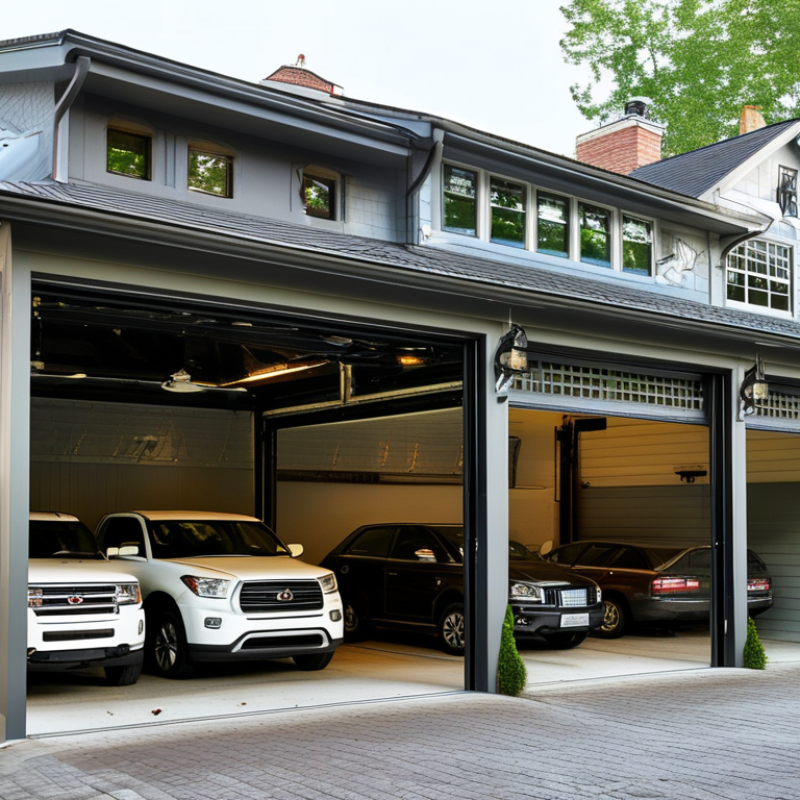
Car elevators are innovative solutions for maximizing space in garages. They allow vehicles to be stored vertically. This is especially useful in urban areas where parking space is limited. A basic car elevator consists of a platform and a mechanism to raise or lower vehicles. The mechanism can be hydraulic or electric, and both have their pros and cons.
Understanding how car elevators function is crucial. They usually have safety features like emergency stop buttons and weight sensors. However, some designs may lack these essential features, leading to safety concerns. Regular maintenance is vital for ensuring smooth operation. Improper installation can also lead to headaches down the road. It's crucial to hire skilled professionals for installation.
Many people overlook the dimensions of their vehicles when considering a car elevator. Not all elevators can accommodate every type of vehicle. Larger SUVs and trucks may have difficulty fitting into standard models. It’s also important to consider the garage's ceiling height.
Investing in the right solution takes time and thought. Each choice carries its challenges, and reflection on those can lead to better decisions.
When considering car elevators for your garage, understanding the types available is crucial. Residential car elevators come in various designs and sizes. Options include hydraulic, pneumatic, and traction car elevators. Each type has unique features that cater to specific needs. Hydraulic elevators are often quieter and require less maintenance, while traction elevators provide a different operational experience.
Tips: Assess your garage's dimensions before choosing an elevator. Measure ceiling heights and floor space to ensure compatibility. Consider the weight limits as well, as some models may not support larger vehicles. Don't overlook the installation process; proper installation is key for safety and efficiency.
Pneumatic elevators use air pressure for movement. They can be a space-saving solution in compact garages. However, they may not suit heavier cars. Evaluate your vehicle type and frequency of use. Traction elevators are reliable but require more overhead space for installation. They are ideal for long-term use. Always consult with a professional to understand what works best for your situation.
When selecting a car elevator for your garage, consider your vehicle's size. Different types of vehicles require specific dimensions and weight capacities. A compact sedan may fit comfortably in a smaller vertical platform, while an SUV or truck will demand a more robust design. Check the elevator's specifications to ensure safe operation for your particular models.
Another critical feature is the elevator's lifting speed and control system. While some models operate with hydraulic systems that are quiet and efficient, others may use a cable and pulley method. You want a system that ensures smooth transitions, especially if you plan to use it frequently. Safety is also paramount. Look for features like automatic sensors and emergency brakes. These elements contribute to a reliable and user-friendly experience.
It’s worth reflecting on how an elevator will fit into your garage’s layout. Ensure there’s enough space around it for easy access. Some installations can be tricky, requiring professional help. Also, think about maintenance. Regular check-ups are vital to keep everything functioning safely and smoothly. Small oversights in planning could lead to complications later.
| Feature | Compact Car (up to 4.5m) | Sedan (up to 5m) | SUV (up to 5.5m) | Truck (up to 6m) |
|---|---|---|---|---|
| Load Capacity | 2000 kg | 2500 kg | 3000 kg | 3500 kg |
| Width | 2.2 m | 2.5 m | 2.5 m | 2.7 m |
| Height | 2.0 m | 2.1 m | 2.2 m | 2.4 m |
| Speed | 1.0 m/s | 1.2 m/s | 1.5 m/s | 1.8 m/s |
| Safety Features | Dual safety brakes | Emergency stop | Automatic leveling | Anti-slip platform |
| Installation Requirements | Level concrete floor | Power supply | Ventilation | Structural support |
When installing a car elevator garage, homeowners must understand key steps. Selecting the right location is crucial. Ensure there’s enough space for the elevator dimensions and vehicle height. The average garage should have a minimum ceiling height of 9 feet for most residential models. Homeowners often overlook this aspect, leading to costly adjustments later.
The installation process begins with a solid foundation. A concrete slab is typically required for stability and safety. Technical specifications suggest that slabs should be at least 4 inches thick. This might seem straightforward, but improper foundation work can lead to structural issues. Engaging professionals who can assess soil factors is beneficial.
Once the foundation is ready, the assembly can take place. This involves aligning the elevator with the garage's design. Many installers recommend cross-checking local regulations, as codes can be strict. Research shows that non-compliance can lead to hefty fines. Homeowners should consult local building authorities before proceeding. Involving experienced contractors can help mitigate potential pitfalls. Remember, these projects require attention to detail and a sound plan to ensure safety and functionality.
Maintaining your car elevator system is crucial for its longevity and performance. Regular checks can help identify potential issues before they escalate. Inspect the cables and pulleys frequently. Look for any signs of wear or fraying. Ensure all mechanical components are properly lubricated to prevent rust and corrosion.
Tips for maintenance: Keep the elevator clean. Dust and debris can affect operation. A simple wipe-down can greatly enhance performance. Additionally, pay attention to unusual noises. Grinding or popping sounds could indicate problems. If you notice any, consult a professional.
Software updates are essential for modern systems. Regularly check for any available updates that could enhance functionality. Consider scheduling annual inspections with a certified technician. They can provide insights that may not be obvious to the average user. Always prioritize safety; a well-maintained elevator can save you from costly repairs down the line.
: Car elevators help maximize garage space by allowing vehicles to be stored vertically.
They consist of a platform that raises or lowers vehicles using hydraulic or electric mechanisms.
Look for emergency stop buttons and weight sensors. Some designs may lack these features.
Regular maintenance ensures smooth operation and can identify potential issues early on.
Consider your vehicle dimensions and garage ceiling height for proper fit.
A concrete slab should typically be at least 4 inches thick for stability.
Unusual noises or signs of wear in cables may suggest it's time to consult a professional.
Regular inspections, cleaning, and lubrication of components are key for longevity.
Non-compliance may lead to hefty fines, so check local building codes before installation.
Yes, regular software updates can enhance functionality and performance.
The article provides a comprehensive overview of "Car Elevator Garage" solutions, discussing their functionality and the variety available for different needs. It starts with an explanation of what car elevators are and how they operate, highlighting their utility in maximizing space in garages. The discussion then shifts to the various types of car elevators, guiding readers on how to select the appropriate one based on their garage requirements and vehicle sizes.
Further, the article emphasizes key features to consider when choosing a car elevator, ensuring compatibility with different vehicle dimensions. Homeowners are also walked through the essential steps involved in the installation process, along with critical considerations to ensure a smooth setup. Lastly, the piece offers maintenance tips to help ensure the longevity and optimal performance of a car elevator system, making it a valuable resource for anyone looking to enhance their garage functionality.
