
Cherish Cherish

What are the Best Waste Water Treatment Plants in 2026?

Time:2026-07-13 Author:Sienna
0%

In 2026, the demand for efficient Waste Water Treatment Plants has never been more critical. As urbanization accelerates, cities face increasing pressure on water resources. Waste water management becomes essential for sustainable development. Key players in the industry are investing in advanced technologies and innovative processes. This focus aims to improve efficiency and reduce environmental impact.

Some Waste Water Treatment Plants have implemented cutting-edge methods like membrane bioreactors and nutrient recovery systems. These technologies not only enhance treatment capacity but also promote resource recovery. However, not all facilities meet the highest standards. Some struggle with outdated systems and inadequate maintenance.

The challenge lies in balancing modernization and cost-effectiveness. As we explore the best Waste Water Treatment Plants in 2026, it is important to consider both their achievements and shortcomings. Each plant's journey reflects the broader trends in the sector, highlighting potential areas for growth. Understanding these dynamics contributes to a more comprehensive view of global water treatment solutions.
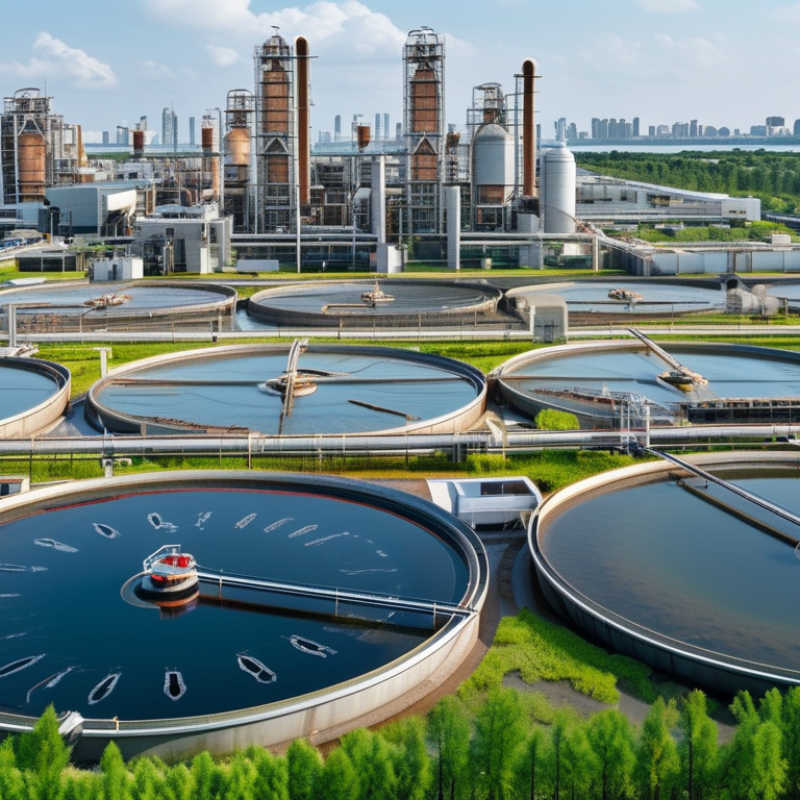
What are the Best Waste Water Treatment Plants in 2026?

Best Waste Water Treatment Plants in 2026: An Overview

In 2026, the landscape of wastewater treatment plants is evolving significantly. Many facilities are now adopting advanced technologies to enhance efficiency. These innovations play a crucial role in sustainable water management. From biological treatment processes to membrane filtration, each method offers unique benefits. However, not all technologies are perfect. Some face challenges like energy consumption and output quality.

The integration of smart systems is also noteworthy. Real-time monitoring systems provide detailed insights into operational performance. This allows for timely adjustments and better resource management. Yet, reliance on technology can lead to vulnerabilities. Cybersecurity will be a critical concern as systems become increasingly interconnected.

Looking ahead, regulatory compliance will shape facility designs. Stricter discharge regulations mean plants must innovate or risk fines. This creates a dynamic environment for investment and research. Some facilities struggle to keep pace with these changes. Overcoming these obstacles is essential to ensure clean water access for all communities.

Waste Water Treatment Plants Efficiency in 2026

This chart illustrates the efficiency (measured in percentage) of various waste water treatment plants across different regions in 2026. The data highlights advancements in technology and sustainability practices implemented in modern plants.

Technological Innovations in Waste Water Treatment by 2026

By 2026, wastewater treatment is set to undergo revolutionary changes. Key innovations are emerging to enhance efficiency and sustainability. Research indicates that advanced membrane technologies will dominate the sector. These innovations enable higher contaminant removal rates while reducing energy consumption.

Electrochemical treatment processes are gaining traction. They offer swift treatment times and minimal sludge production. Reports show that these technologies could cut operational costs by up to 30%. Moreover, machine learning algorithms are being integrated to optimize plant operations. These systems predict equipment failures and enhance maintenance strategies, improving overall efficiency.

However, challenges persist. High initial investment remains a barrier for many facilities. Ensuring universal access to these technologies is paramount. Local governments play a crucial role in financing these upgrades. Overall, the journey toward optimal wastewater treatment is still evolving, but the path forward is promising.

Key Criteria for Evaluating Waste Water Treatment Plants

When evaluating wastewater treatment plants, several key criteria stand out. Efficiency in removing contaminants is crucial. Plants should effectively process a range of pollutants, including organic matter and heavy metals. Performance metrics can help determine which plants excel in this area.

Sustainability is another vital aspect. Facilities should minimize energy consumption and utilize renewable resources. Innovative methods like anaerobic digestion and biosolids management often enhance sustainability. However, achieving a balance between cost and ecological benefits is challenging. Some plants struggle to maintain this balance, revealing areas for improvement.

Regulatory compliance is also essential. Plants must adhere to local and national guidelines. Regular inspections and transparent reporting foster trust in their operations. Unexpected non-compliance can undermine credibility. Acknowledging these gaps is essential for future advancements in wastewater treatment technology. Each plant has unique strengths and weaknesses, which should be carefully assessed.

Top Waste Water Treatment Plants Around the World in 2026

In 2026, wastewater treatment plants will play a critical role in sustainability and environmental health. Advanced technologies are reshaping the sector, enabling facilities to treat water more efficiently. New data indicates that optimally designed plants can achieve up to 99% pollutant removal rates. This improvement is essential for protecting ecosystems and promoting public health.

Top facilities around the globe are implementing innovative processes. For instance, plants utilizing membrane bioreactor systems can produce high-quality effluent. Additionally, energy recovery systems are becoming increasingly integrated. A recent report highlighted that plants utilizing these systems can generate up to 30% of their energy needs on-site. However, some plants still struggle with operational efficiency. Many facilities face budget constraints and outdated infrastructure, which can limit innovation.

The industry's future is promising but requires ongoing investment and adaptation. Continuous monitoring and improvement in processes are necessary. Some experts emphasize the importance of training personnel to utilize new technologies effectively. As urban populations grow, the demand for effective wastewater management will only increase. Addressing these challenges is crucial for the success of wastewater treatment in the coming years.

Future Trends Shaping Waste Water Treatment Strategies in 2026

As we look to 2026, waste water treatment plants are evolving rapidly. The future of these facilities hinges on several trends. One critical trend is the adoption of advanced oxidation processes. According to a recent industry report, these methods can reduce contaminants by up to 90%. This shift not only enhances efficiency but also minimizes left-over chemicals.

Another significant development is the integration of smart technologies. Data analytics and IoT systems are paving the way for real-time monitoring. These technologies help in swiftly detecting leaks and inefficiencies. Reports suggest that facilities employing smart strategies can save up to 30% in operational costs. This reflects a growing commitment to sustainability and resource management.

**Tips:** Consider investing in training for staff. Technical knowledge is crucial for operating advanced systems. Regular assessment of processes can highlight areas for improvement. Embrace innovation to enhance treatment efficiency. It's vital to adapt to changes in regulations and public perceptions. Doing so ensures plants remain effective and accepted in communities.

FAQS

: What are the key innovations in wastewater treatment by 2026?

: Advanced membrane technologies and electrochemical processes are key innovations expected to dominate the industry.

How do advanced membrane technologies improve wastewater treatment?

They enhance contaminant removal rates and reduce energy consumption, increasing overall treatment efficiency.

What benefits do electrochemical treatment processes offer?

They provide quick treatment times and produce minimal sludge, reducing operational costs significantly.

How can machine learning impact wastewater treatment operations?

Machine learning optimizes plant efficiency, predicts equipment failures, and enhances maintenance strategies.

What challenges do wastewater treatment facilities face?

High initial investment costs and ensuring access to new technologies remain significant challenges for many facilities.

What role do local governments play in wastewater treatment advancements?

Local governments are crucial for financing upgrades and facilitating access to innovative treatment technologies.

What is the significance of advanced oxidation processes in the future?

They can reduce contaminants by up to 90%, enhancing efficiency and minimizing leftover chemicals.

How does the integration of smart technologies benefit treatment plants?

Smart technologies enable real-time monitoring, helping identify leaks and inefficiencies quickly, cutting operational costs.

Why is staff training important in wastewater treatment facilities?

Technical knowledge is essential for effectively operating advanced systems and ensuring optimal treatment processes.

How can facilities adapt to changing regulations and public perceptions?

Regular assessments and embracing innovation lead to better compliance and community acceptance.

Conclusion

In 2026, waste water treatment plants will showcase significant advancements driven by technological innovations aimed at improving efficiency and sustainability. These facilities will incorporate cutting-edge methods such as advanced filtration systems, energy recovery processes, and real-time monitoring technologies to optimize their operations.

Evaluating these waste water treatment plants will hinge on key criteria such as environmental impact, energy consumption, and overall effectiveness in pollutant removal. The article will also highlight some of the leading waste water treatment plants around the globe that exemplify these advancements, while addressing future trends that will shape the strategies for waste water management, including increased automation and the integration of renewable energy sources.

Sienna

Sienna

Sienna is a skilled marketing professional with a deep expertise in our company’s core products and services. With a passion for innovation and detail, she plays a pivotal role in crafting insightful blog posts that not only highlight the unique features of our offerings but also provide valuable......