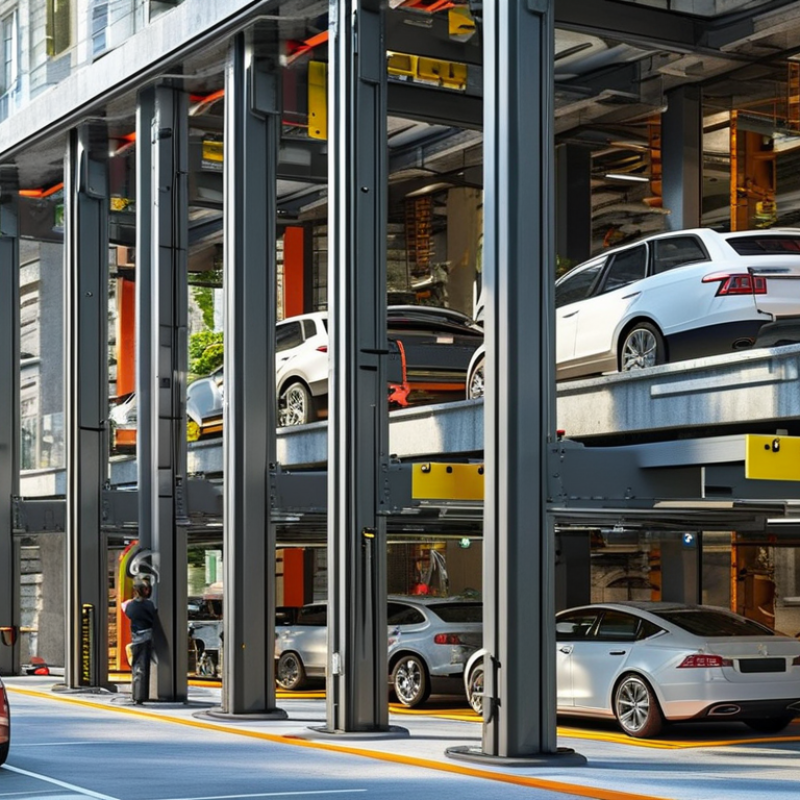
A Car Parking Elevator is an innovative solution in modern automotive technology. It maximizes space in crowded urban areas, making parking more efficient. These elevators efficiently transport vehicles between floors while minimizing the footprint of parking facilities.
A typical Car Parking Elevator operates by lifting cars vertically, allowing for multi-level parking structures. Drivers simply drive onto the platform, and the elevator takes care of the rest. This system reduces the hassle of searching for parking spaces. However, its implementation can be challenging.
While the concept is straightforward, installers must ensure safety and reliability. Design flaws or technical issues can lead to potential risks. Therefore, expertise in engineering and proper maintenance is crucial for these systems. Understanding these key aspects helps improve the effectiveness of Car Parking Elevators.
What is a Car Parking Elevator?
A car parking elevator is an innovative solution for urban parking challenges. It allows vehicles to be parked vertically, saving valuable ground space. This technology is particularly useful in crowded cities where traditional parking areas are limited.
Operating a car parking elevator is straightforward. Drivers simply drive their vehicles onto a platform. The system then lifts the car to an available parking spot. The process is automated, reducing the need for manual operation. However, it does require regular maintenance to ensure safety and reliability. Users must be aware of potential mechanical failures, which can cause delays or damage.
While car parking elevators offer convenience, they come with limitations. Not all vehicles may fit comfortably within the elevator dimensions. Some drivers might find the experience disorienting, especially if unfamiliar with the technology. It’s essential for users to remain cautious and informed about the operation. Overall, car parking elevators present a modern approach to efficient parking solutions in busy areas.
The Design and Structure of Car Parking Elevators
Car parking elevators are increasingly popular in urban environments. They are designed to optimize space and improve vehicle access. These elevators can accommodate multiple cars at once and save valuable ground space. A well-designed car parking elevator can significantly increase parking efficiency in high-density areas.
The structure of these elevators usually includes a robust platform, a guided rail system, and a hydraulic mechanism. Reports indicate that the global car parking systems market is expected to grow at a CAGR of 15% from 2020 to 2028. This rapid growth underscores the importance of innovative designs that integrate seamlessly into existing infrastructures.
Consider the height and weight limits of your designated parking area. Not all areas are suitable for every type of car parking elevator. Maintenance is another key consideration; regular checks on hydraulic systems can prevent potential malfunctions. Future designs may benefit from smart technology integration for improved user experience. However, complexity can also lead to higher costs and maintenance challenges, which requires careful assessment.
What is a Car Parking Elevator and How Does It Work? - The Design and Structure of Car Parking Elevators
| Dimension |
Description |
| Height |
Typically ranges from 10 to 30 ft depending on design |
| Capacity |
Can accommodate vehicles weighing from 2,000 to 10,000 lbs |
| Floor Area |
Usual dimensions range from 5 x 10 ft to 8 x 20 ft |
| Power Supply |
Generally operates on 220V to 480V, depending on model |
| Speed |
Typical speed is around 30 to 60 ft/min |
| Control System |
Often features a microprocessor-based control for safety and efficiency |
| Safety Features |
Includes emergency stop buttons, overload sensors, and safety locks |
How Car Parking Elevators Operate Mechanically
Car parking elevators are innovative systems designed to optimize space in urban environments. They work by transporting vehicles vertically—up and down—thereby creating more room for parking. These elevators use advanced mechanical components, such as hydraulic systems and traction mechanisms, to ensure smooth operation.
The mechanics behind car parking elevators involve a series of pulleys, gears, and sensors. The elevators detect the weight and size of vehicles before allowing them to enter. According to a recent study by the International Parking Institute, implementing such systems can increase parking efficiency by up to 60%. This is significant in densely populated areas where parking space is limited.
When using a car parking elevator, ensure the vehicle is properly aligned before entering. Keep an eye on the weight limit specified by the manufacturer. Regular maintenance is crucial for safety; faulty systems can lead to operational failures. Consider consulting with a professional for guidance on specific installation needs or operational characteristics. Regular updates and advancements in technology continue to enhance the reliability of these elevators.
Advantages of Using Car Parking Elevators
Car parking elevators are innovative solutions for urban spaces. They optimize parking by taking vehicles vertically, saving precious ground space. In areas with limited land, they provide a versatile option for accommodating more cars. This technology can benefit various sectors, including residential, commercial, and institutional needs.
One major advantage of using car parking elevators is convenience. Drivers no longer need to search for parking spots. They simply drive onto the platform and let the elevator do the rest. This instant access boosts the user experience. Additionally, it reduces the time spent on parking, which can be crucial in busy city environments.
Parking elevators can also enhance security. With controlled access, unauthorized users find it difficult to enter. They protect vehicles from theft and vandalism. However, it's essential to think about maintenance. Regular checks are needed to ensure safety and efficiency. Consider creating a maintenance schedule to avoid potential issues.
A possible disadvantage is the initial cost. Installing a car parking elevator may require a significant investment. Yet, this can be offset over time with space savings. It's wise to evaluate whether the benefits outweigh the costs. This decision often depends on the unique needs of a facility.
Common Applications and Locations for Car Parking Elevators
Car parking elevators are increasingly popular in urban environments where space is limited. They efficiently transport vehicles vertically, allowing for more effective use of limited parking areas. Common applications for these elevators include residential complexes, commercial buildings, and parking garages. According to a recent industry report, about 30% of urban developers now consider parking solutions like elevators in their designs.
In residential settings, parking elevators streamline the process for residents. They reduce the distance between parked vehicles and living spaces. In commercial projects, these elevators often serve high-rise office buildings, maximizing floor space usage. Using a car parking elevator can potentially save up to 40% more space than traditional parking methods, significantly improving overall functionality.
When considering a parking elevator, it's essential to evaluate space requirements and weight limits. Adequate structural support is crucial. Additionally, consistently maintaining the elevator ensures long-term reliability. Many owners overlook maintenance, leading to costly repairs. Always consult a professional to determine specific needs for your project and to address any structural challenges. This proactive approach mitigates risks down the road.
Usage of Car Parking Elevators by Common Applications
FAQS
: They transport vehicles vertically using mechanical systems like pulleys and hydraulic components.
They save space, provide convenience, and improve security for vehicles.
They are primarily found in residential complexes, commercial buildings, and parking garages.
They can improve efficiency by up to 60%, especially in densely populated areas.
Ensure proper alignment of the vehicle and adhere to weight limits before entering.
It ensures safety and prevents operational failures, which can lead to costly repairs.
Yes, the initial cost can be high, and it's essential to assess whether the benefits justify this expense.
Have a professional evaluate the space requirements and structural support for your project.
Neglecting maintenance increases the risk of failures, leading to costly repairs and operational downtime.
Yes, it’s advisable to seek professional guidance to address installation needs and challenges.
Conclusion
A Car Parking Elevator is an innovative solution designed to maximize parking space efficiency in urban environments. These elevators are specially engineered to transport vehicles between different levels, utilizing a robust design and structure that ensures safety and reliability. The operation of Car Parking Elevators is based on mechanical systems that facilitate the lifting and lowering of cars with ease, making them a practical option for properties where parking space is limited.
The advantages of Car Parking Elevators include saving time and increasing parking capacity, as they allow for more vehicles to be accommodated in a smaller footprint. Common applications are found in commercial buildings, residential complexes, and public parking facilities, where the need for effective space management is essential. Overall, Car Parking Elevators represent a modern approach to addressing the challenges of urban parking.
 Cherish