
Cherish
Choosing the right Scissor Lift Platform is crucial for many projects. Whether you are working in construction, warehousing, or maintenance, the correct lift can enhance productivity and safety. With numerous options on the market, it can be overwhelming to make a decision.
When selecting a Scissor Lift Platform, consider the specific requirements of your task. Height, weight capacity, and mobility are key factors. Additionally, you should assess the work environment. Indoor lifts differ significantly from outdoor models. These decisions can affect both performance and operational safety. Ignoring these details could lead to equipment failure.
Consulting with experts can provide valuable insights. They can guide you through the process, helping you avoid common pitfalls. However, it's essential to reflect on your own experience and needs. Take the time to evaluate your options carefully. This decision impacts your team's efficiency and safety in the long run.
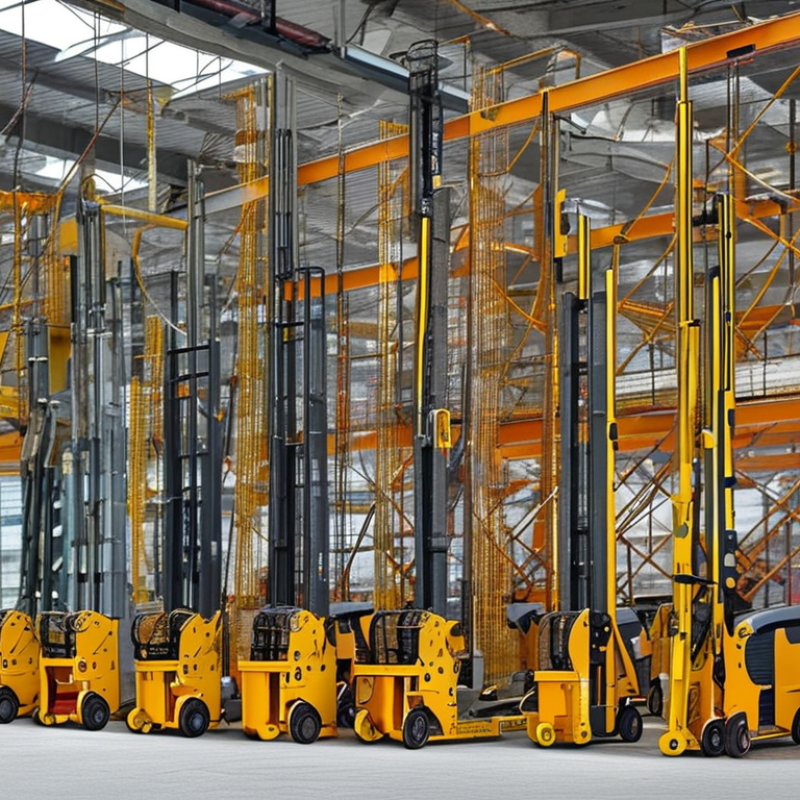
Choosing the right scissor lift platform involves understanding the various types available. Scissor lifts fall into several categories, including electric, hydraulic, and rough terrain models. Each type serves different environments and tasks. According to a recent market report, the global scissor lift market is expected to grow significantly, driven by demand in construction and maintenance sectors.
Electric scissor lifts are ideal for indoor uses, providing a quiet and emissions-free option. They typically have lower weight capacities but are perfect for tasks requiring maneuverability in tight spaces. Hydraulic models offer higher lifting capacities and are suitable for outdoor applications. Rough terrain scissor lifts have larger wheels for stability on uneven surfaces, making them essential on construction sites.
When selecting a scissor lift, consider your workspace and the load capacity required. Evaluate the lift height you need versus the footprint of the machine. It's also crucial to assess the lift's portability if frequent relocation is necessary. Look into operational limitations, as some lifts may have lower performance in inclement weather conditions.
Make sure to conduct a thorough inspection of the lift before use. Always understand the safety features in place. Each model has its limitations, so reflecting on your unique needs will prevent future challenges.
Choosing the right scissor lift platform requires careful consideration of your specific usage and load requirements. It's crucial to assess the height and weight capacities needed for your projects. For instance, many scissor lifts can reach heights between 20 to 60 feet, depending on the model. A recent report by the American Rental Association states that nearly 25% of job sites require lifts capable of supporting over 1,500 pounds. This data highlights the importance of matching the lift's capacity to your materials.
Understanding the environment is also essential. Indoor and outdoor lifts often differ in design and functionality. Indoor models typically prioritize compact size and maneuverability, making them ideal for tight spaces. In contrast, outdoor lifts need to handle rough terrain and possibly adverse weather conditions. Industry studies show that around 30% of accidents are related to improper lift selection based on the work setting. This points to the necessity of evaluating the lift's features against your environment’s demands.
Costs play a significant role in the decision-making process. Budget constraints might lead to selecting a lower-capacity lift, which can lead to safety risks. Equipment that’s not fit for the load can cause instability. A survey from the International Powered Access Federation revealed that 40% of maintenance issues stem from improper usage. This serves as a reminder to reflect on your specific needs and invest wisely in lift options that align with your operational demands.
When selecting the right scissor lift platform, evaluating key specifications and features is crucial. The working height is a primary consideration, typically ranging from 20 to 60 feet. A recent industry report noted that choosing a lift with the appropriate reach can improve productivity by 30%. A height that exceeds job requirements may result in wasted resources and potential safety hazards.
Load capacity is another essential factor. Most models have a maximum load capacity between 500 and 1,500 pounds. Choosing a lift that properly accommodates the weight of personnel and equipment ensures operational safety. Underestimating load requirements can lead to equipment failure or accidents. It's vital to analyze the specific needs of your workload.
Additionally, features such as platform size, mobility, and battery life should be assessed. Wider platforms enhance workspace, while features like compact design can improve maneuverability in tight spots. Battery-operated models offer quieter operation and lower emissions, making them suitable for indoor use. Yet, they may require more frequent charging, presenting challenges for continuous operation. Understanding these elements helps make an informed choice while addressing potential drawbacks.
| Specification | Description | Value |
|---|---|---|
| Maximum Working Height | The highest point the platform can reach. | 40 ft (12.2 m) |
| Platform Capacity | Maximum weight supported by the platform. | 1,000 lbs (454 kg) |
| Platform Size | Dimensions of the lift platform. | 6 ft x 3 ft (1.83 m x 0.91 m) |
| Weight | Overall weight of the scissor lift. | 2,500 lbs (1,134 kg) |
| Power Source | Type of power used to operate the lift. | Electric |
| Terrain Type | Designed for specific ground conditions. | Indoor/Outdoor |
| Safety Features | Built-in mechanisms to ensure user safety. | Automatic Brakes, Safety Barriers |
| Control System | Type of controls available for the lift. | Dual Controls |
When selecting a scissor lift platform, safety features are paramount. In recent studies, 34% of construction incidents stem from lift-related accidents. Therefore, understanding the safety guidelines is critical for operators. Look for platforms equipped with guardrails, non-slip surfaces, and emergency stop buttons. A robust training program can also reduce risks. Regular safety audits and maintenance checks can keep equipment compliant with regulations.
Beyond just features, operator awareness matters. Many accidents occur due to improper use or lack of training. According to industry reports, operators who receive comprehensive safety training reduce workplace accidents by 48%. Operators should familiarize themselves with load limits and platform adjustments. They should also ensure clear communication with ground personnel. Engaging everyone in safety discussions fosters a culture of awareness.
Even with the right equipment and training, challenges can arise. Environments may have obstacles that affect safe operation. For instance, uneven surfaces or weather changes can pose risks. It’s essential to evaluate surroundings and adapt practices. Reflecting on past incidents will also help identify potential vulnerabilities and enhance safety measures in the future. Emphasizing a proactive safety mindset can significantly improve operational reliability.
Choosing the right scissor lift platform involves careful budgeting. Costs can vary widely based on size, features, and brand. For instance, a basic model might start at $8,000, while more advanced lifts can exceed $30,000. It's essential to assess your specific needs against these costs.
One report indicates that rental costs for scissor lifts range from $200 to $500 per day. This option can provide short-term flexibility but may add up quickly. Companies must weigh the advantages of purchasing versus renting. Owning a lift can be more cost-effective long-term, especially in high-usage scenarios.
Maintenance is another factor that impacts overall expenses. Regular upkeep is crucial. Failing to maintain a lift can lead to costly repairs. Some lift users report oversights in maintenance schedules, which resulted in unexpected downtime. A detailed financial analysis should account for both the purchase price and these potential maintenance costs. Making an informed decision requires understanding all these financial aspects.
: There are electric, hydraulic, and rough terrain scissor lifts. Each type suits different tasks and environments.
Electric models are quiet and have no emissions. They excel in maneuverability for indoor tasks.
Hydraulic lifts offer higher lifting capacities. They are ideal for outdoor applications and heavy loads.
Assess workspace, load capacity, and lift height. Portability and operational limitations are also crucial.
Prices range from $8,000 for basic models to over $30,000 for advanced ones.
Rental can cost between $200 to $500 per day. It offers flexibility but can add up quickly.
Owning can be cheaper in the long run, especially for frequent use.
Regular maintenance prevents costly repairs. Some users overlook this, leading to unexpected downtime.
Know the safety features of the lift. Each model has its limitations, so review your needs carefully.
Reflect on your usage and check maintenance records. Understanding limitations can help prevent challenges.
Choosing the right Scissor Lift Platform involves understanding the various types available and assessing your specific usage and load requirements. Different models cater to distinct needs, such as indoor versus outdoor applications, varying weight capacities, and platform heights. Evaluating key specifications, including lift speed and platform size, is essential to ensure optimal performance for your tasks.
In addition, safety features must be prioritized to protect operators during usage, adhering to established guidelines and regulations. Cost-effectiveness also plays a vital role in decision-making, where budgeting not only encompasses the purchase price but also maintenance and operational costs. By comprehensively examining these factors, you can select a Scissor Lift Platform that meets both your current needs and future demands effectively.
