 Cherish
Cherish
Cherish
Selecting the right access solution for your facility is crucial. One option gaining popularity is the Underground Car Park Elevator. This innovative feature enhances parking efficiency while maximizing space. Facilities face increasing pressure to provide seamless user experiences.
An Underground Car Park Elevator can be a significant asset. It alleviates congestion during peak hours. This type of elevator also provides shelter from inclement weather. Well-designed elevators promote safety and convenience for users. However, not every facility is suited for this solution. Proper assessment is essential to determine the feasibility and benefits.
Reflecting on user needs and facility design is important. Ensure that the installation aligns with overall goals. Balancing aesthetics with functionality can pose challenges. Understanding these nuances helps create a more effective parking environment. An Underground Car Park Elevator can be a great addition when thoughtfully implemented.
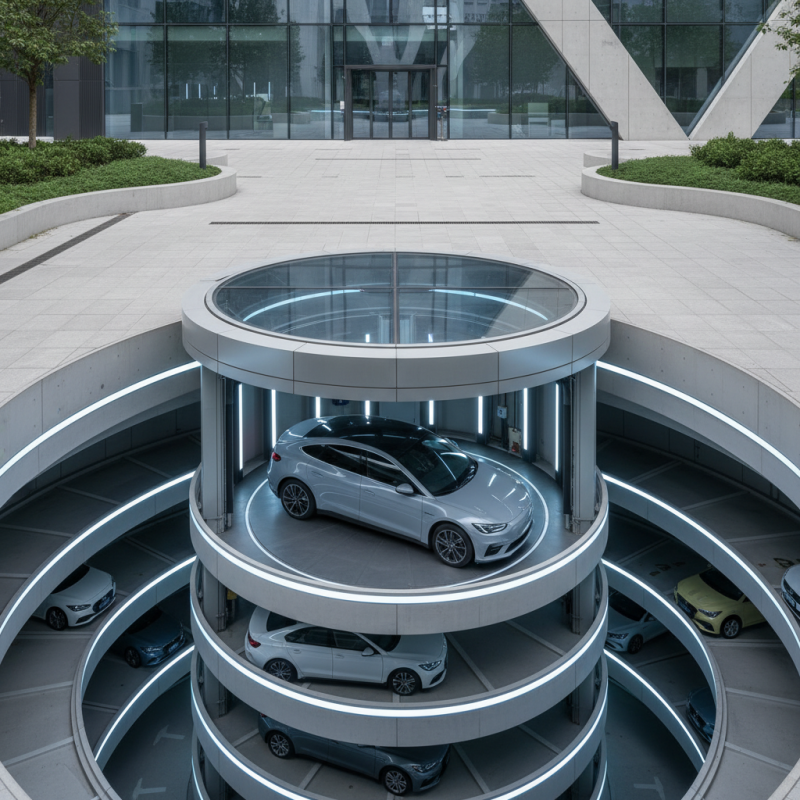
Underground car park elevators are increasingly popular in urban facilities. They provide a seamless experience for both residents and visitors. One key benefit is efficient space utilization. Urban areas often face space constraints, making traditional parking solutions challenging. An underground elevator maximizes available space. It allows more vehicles to access the parking area, while minimizing surface-level congestion.
Accessibility is another vital advantage. With an underground elevator, people with disabilities find it easier to access parking spaces. This feature enhances the overall experience for everyone. Urban facilities can meet the diverse needs of their users. Easy access reduces frustration, encouraging more people to visit.
**Tip:** Ensure regular maintenance to prevent unexpected downtime. An elevator that’s always operational is crucial for maintaining accessibility.
Consider the challenges as well. Some facilities may struggle with initial installation costs. Evaluating long-term benefits is essential. Investing in an underground elevator can lead to future savings and increased property values.
**Tip:** Engage with users to understand their needs. Feedback can provide insights for ongoing improvements.
| Benefit | Description | Impact |
|---|---|---|
| Space Optimization | Underground elevators provide efficient access to parking levels, maximizing the usable footprint of urban facilities. | Increased space for parking and amenities, leading to higher property value. |
| Enhanced Safety | Minimizes pedestrian traffic in parking areas, reducing the risk of accidents. | Improved safety ratings, leading to increased user satisfaction. |
| Weather Protection | Keeps vehicles sheltered from harsh weather conditions, minimizing wear and tear. | Reduced maintenance costs for vehicles and increased user convenience. |
| Aesthetic Appeal | Allows for cleaner, more visually appealing surface level designs without visible parking facilities. | Enhanced property aesthetics can attract more customers and increase foot traffic. |
| Cost Efficiency | Often cheaper to construct than above-ground parking structures, due to reduced land use and architectural requirements. | Lower construction costs can improve ROI for developers and property owners. |
: They maximize space utilization and reduce surface congestion. More vehicles can access parking areas efficiently.
They help people with disabilities access parking spaces easily. This enhances the overall experience for all users.
Regular maintenance is essential. It ensures elevators stay operational and accessible at all times.
Yes, they often include surveillance cameras, adequate lighting, and emergency communication systems for user safety.
Stay alert, wait for the elevator to arrive fully, and avoid distractions like mobile phones.
Engaging with users for feedback can provide insights for ongoing improvements and adaptations in service.
Initial installation costs can be high. It's important to evaluate the long-term benefits before investing.
It ensures visibility and reduces the risk of accidents, especially in less trafficked areas.
Familiarize yourself with emergency exit routes and participate in regular safety training sessions.
Regular checks identify potential issues early, helping to maintain a safe environment for users.
Underground car park elevators offer numerous benefits for urban facilities, primarily enhancing space efficiency by maximizing parking capacity. By integrating elevators into below-ground parking structures, facility managers can optimize the use of available space, accommodating more vehicles without expanding the physical footprint of the parking area. This efficient design not only increases the number of parking spots but also simplifies vehicle access for users.
Moreover, underground car park elevators improve safety and accessibility in crowded urban environments. With advanced safety features, these elevators ensure secure transit for drivers and passengers alike. Additionally, they facilitate smoother traffic flow, reducing congestion by providing efficient access to lower-level parking areas. Cost-effectiveness is also a significant advantage; the installation of underground car park elevators can lead to long-term savings through better utilization of space and increased patronage. Overall, the incorporation of underground car park elevators is a strategic choice for modern urban facilities aiming to enhance functionality and user experience.
