
Cherish
Choosing the right car elevator is crucial for any automotive facility. The options available can be overwhelming. It's essential to consider your specific needs and the characteristics of each type of car elevator.
Car elevators vary in design, capacity, and function. Some are suitable for residential use, while others fit commercial environments. Assessing available space and the types of vehicles being serviced is vital. Reliability is key, especially in high-use situations.
Additionally, think about installation and maintenance requirements. A poorly chosen car elevator can lead to costly repairs and downtime. Take your time in evaluating options. The right solution enhances workflow and boosts efficiency.
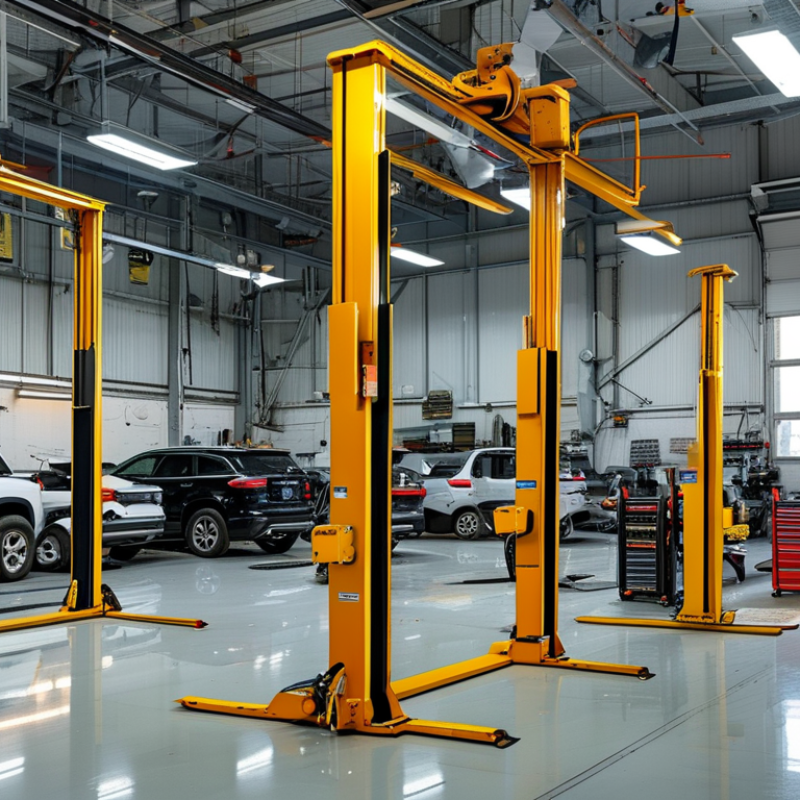
When selecting a car elevator, it is crucial to understand the various types available in the market. There are two primary categories: hydraulic and mechanical elevators. Hydraulic systems use fluid pressure to lift vehicles. They are often quieter and can handle heavier loads. Mechanical elevators rely on cables and pulleys. These may be more energy-efficient, but they could also require more frequent maintenance.
Another consideration is the elevator’s capacity and size. You must evaluate the dimensions of the vehicles you intend to transport. Not all elevators accommodate all types of vehicles. Some models cater specifically to luxury cars, while others can handle heavier trucks. It’s essential to match the elevator’s features with your specific needs.
Installation factors also warrant attention. Different elevators require varying amounts of space and structural support. Some might demand extensive modifications to your facility, which can be costly. Reflect on whether these changes align with your long-term goals. Choosing the right option needs thoughtful consideration of these details to prevent future complications.
Assessing space and height requirements is crucial when selecting a car elevator. Start by measuring your garage or designated area. Ensure to consider both the floor and ceiling heights. Many fail to account for clearance, which can lead to installation issues later. Accurate measurements prevent costly mistakes.
Tips: Always double-check your measurements. Using a tape measure can ensure precision. Don’t hesitate to consult an expert if you have concerns.
Think about the vehicles you'll be using the elevator for. If you own larger vehicles, you may need a wider and taller elevator. Some may overlook the importance of extra space for maneuverability. A cramped fit can detract from the elevator's functionality.
Tips: Keep future needs in mind. If you plan to upgrade your vehicle, ensure the elevator accommodates the change. Sometimes, opting for a slightly larger elevator saves trouble down the road.
When selecting a car elevator, understanding load capacity is crucial. This parameter defines how much weight the elevator can support. Different models cater to various vehicle types. Make sure to assess the weight of your car before making a decision. A common mistake is underestimating the actual weight of your vehicle. For example, SUVs typically weigh much more than sedans. This oversight could lead to potential safety issues.
Performance specifications also play an essential role in your choice. Consider the speed of the lift. Some elevators operate faster than others. If you have a busy garage or a commercial setup, time is of the essence. Be wary of overly optimistic claims regarding speed. Always check real user feedback or industry reviews.
Tips: Analyze your needs carefully. Document the measurements of your space. Consider the height and width of the elevator. Room for maintenance access is often overlooked. Factor in installation requirements. Reflect on any potential adjustments needed in your garage layout. This thought process will ensure a better installation experience.
When selecting a car elevator, safety features and compliance standards are paramount. The International Organization for Standardization (ISO) highlights that at least 60% of elevator accidents stem from safety laxities. Elevators should include safety mechanisms like emergency brakes and overspeed governors. Without these, the risk of catastrophic failure increases.
Regular maintenance is critical for reliability. The American Society of Mechanical Engineers (ASME) suggests that elevators must undergo inspections every six months to remain compliant. This rigorous check ensures components are functioning correctly and reduces the likelihood of malfunctions. It's essential to keep records of these inspections. They provide insight into performance trends and issues that may arise.
In choosing a car elevator, weigh the consequences of non-compliance. The National Elevator Industry, Inc. (NEII) states that non-compliance can lead to lawsuits and fines. Many facilities overlook these aspects, which can result in costly repercussions. Therefore, prioritize selecting elevators that adhere to industry standards and regulations. Balancing cost and safety can be challenging, but it is necessary for long-term success. Keeping these considerations at the forefront will guide your decision effectively.
When selecting a car elevator, cost factors and installation options need close examination. Budget planning starts with understanding the overall costs. These include the initial price of the elevator, installation expenses, and maintenance costs. While some car elevators offer low upfront prices, high maintenance fees may affect your budget long-term.
Choosing between hydraulic, screw-driven, or pneumatic systems affects costs significantly. Hydraulic models are often more reliable but can be pricier. Screw-driven elevators may save on installation but could have higher power usage. Evaluating installation options is vital. Some require more space or structural modifications than others. Consider your building's design when planning.
Installation challenges can sneak up on you. A poorly executed installation might lead to unexpected repairs. It's important to work with qualified professionals. Researching credible experts can save you time and money. Balancing your budget with reliable performance is crucial. Reflect on your choices before making a commitment. Each detail can impact your overall satisfaction with the car elevator.
: The two main types are hydraulic and mechanical. Hydraulic elevators use fluid pressure, while mechanical ones use cables.
Load capacity is crucial. It determines how much weight the elevator can support. You must assess your vehicle's weight accurately.
Evaluate the dimensions of your vehicles. Not all elevators fit all types. Some are designed for luxury vehicles; others for trucks.
Installation requirements vary. Some elevators need structural modifications that can be costly. Reflect on your facility's space and layout.
Performance specifications, like speed, matter a lot. Some elevators operate faster. User feedback is essential; avoid overly optimistic claims.
Besides the purchase price, consider installation and maintenance costs. Low upfront prices can lead to high long-term expenses.
Work with qualified professionals to avoid installation challenges. Poor installation may lead to unexpected repairs and safety issues.
Balancing budget, performance, and installation is crucial. Each detail, including space and load capacity, can affect your experience.
When choosing the best car elevator for your needs, it’s crucial to understand the various types available in the market, as each type serves different purposes and capabilities. Assessing your space and height requirements is essential to ensure that the car elevator fits seamlessly into your environment. Additionally, evaluating the load capacity and performance specifications is vital for ensuring it meets your operational demands.
Safety features and compliance with standards should also be prioritized to guarantee reliability and protection during use. Lastly, analyzing cost factors along with installation options will aid in effective budget planning, enabling you to select a car elevator that aligns with both your financial and functional requirements. By carefully considering these aspects, you can make an informed decision that best suits your situation.
