
Cherish
The demand for smart solutions in urban mobility is growing rapidly. Auto Parking Systems are vital for efficient land use. According to Dr. Li Wei, an expert in urban planning, "The evolution of parking systems is essential for modern cities."
In China, innovative Auto Parking Systems are at the forefront of this evolution. They address urban congestion and optimize space usage. These systems range from automated vertical parking to robotic solutions. Each option has unique advantages but also limitations worth considering.
Adopting these technologies requires careful evaluation. Buyers must consider factors like cost, efficiency, and reliability. While many systems promise efficiency, not all meet expectations. As the market grows, ongoing improvement and adaptation are imperative for success.
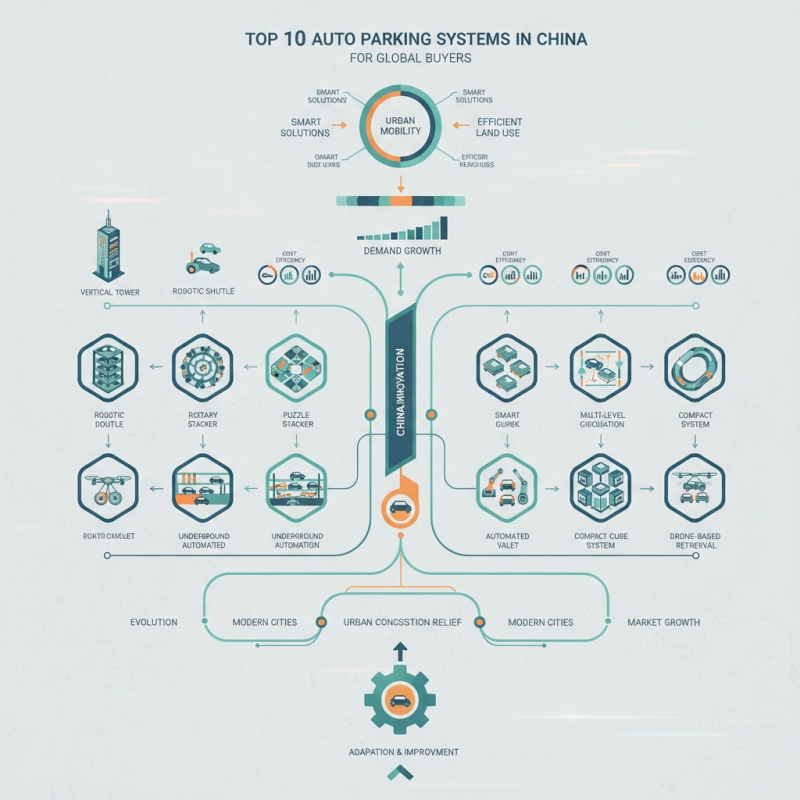
The landscape of auto parking systems in China is evolving rapidly. Many cities face parking challenges due to increasing vehicle ownership. Efficient solutions are now in high demand. Advanced technologies play a crucial role in developing these systems. Automated solutions help optimize space and reduce congestion.
Several types of parking systems are emerging. For instance, robotic parking systems can park cars without human intervention. They use elevators and conveyor belts. Some systems employ smart technology to guide vehicles. This tech enhances user experience and speeds up the parking process. However, not all innovations yield success. Some systems struggle with user acceptance or technical reliability.
Cost is also a concern for developers and users alike. High initial investment can deter potential buyers. Maintenance and operational costs vary significantly among different systems. Moreover, the integration of new technologies raises questions about safety and efficiency. The future of auto parking systems in China is promising, but challenges remain.
When considering auto parking systems, several key features play a crucial role. Efficiency is paramount. Innovative system designs can reduce parking time significantly. Reports indicate that automated systems can cut search times by up to 60%. This efficiency is vital in urban areas with high vehicle densities.
Safety features are equally critical. The best systems incorporate advanced technology to prevent accidents. For example, some units have sensors and cameras to monitor surroundings. These components ensure that vehicles and pedestrians remain safe during operation. Additionally, systems should offer robust security measures to protect parked vehicles. Data suggests that theft incidents decrease with improved technological integrations.
Tips for buyers include evaluating the system's user interface. A straightforward design enhances user experience. Moreover, consider system scalability. As cities evolve, parking needs may change. Investing in a flexible system can save money long-term. Regular maintenance and updates are another area often overlooked. Systems require routine checks to function efficiently over time.
By addressing these factors, buyers can make informed choices. Investing in the right auto parking system is essential for future urban developments.
China has emerged as a global leader in the auto parking system industry. Many manufacturers are making strides in technology and innovation. These companies focus on increasing efficiency and addressing urban space challenges. Their offerings can range from simple mechanical systems to complex automated solutions. This diversity meets various needs for commercial and residential applications.
The best manufacturers prioritize user experience and safety. They invest in research and development to enhance product reliability. Some systems utilize advanced sensors and AI for seamless operation. However, industry challenges remain. The fast pace of technological advancements can be difficult to manage. Not all manufacturers can keep up with changing market demands, which may affect their competitiveness.
End users commonly express concerns about maintenance and support. Manufacturers must ensure they provide dependable services post-installation. Understanding customer feedback can drive improvements. Collaboration and sharing information among manufacturers may also be vital. A collective approach could lead to more sustainable solutions for urban environments.
| Rank | System Type | Capacity (Cars) | Technology Used | Energy Consumption (kWh) | Installation Time (Weeks) | Warranty (Years) |
|---|---|---|---|---|---|---|
| 1 | Automated Crane System | 300 | Hydraulic | 5 | 8 | 3 |
| 2 | Shuttle Parking System | 200 | Electric | 4 | 6 | 2 |
| 3 | Tilt Parking System | 150 | Mechanical | 3 | 5 | 4 |
| 4 | Puzzle Parking System | 250 | Mechanical | 6 | 7 | 5 |
| 5 | Multi-story Parking System | 500 | Hybrid | 8 | 12 | 6 |
| 6 | Stacker Parking System | 180 | Electric | 5 | 4 | 3 |
| 7 | Basement Parking System | 400 | Mechanical | 10 | 10 | 7 |
| 8 | Remote-Controlled Parking System | 120 | Wireless | 2 | 3 | 2 |
| 9 | Vertical Lift Parking System | 290 | Hydraulic | 9 | 5 | 3 |
| 10 | Compact Parking System | 75 | Mechanical | 1 | 2 | 1 |
Understanding the landscape of auto parking systems in China requires a closer look at pricing and technology. The market is diverse, with various options tailored to different needs. Automated parking solutions offer significant space savings and improved efficiency. However, upfront costs can be a barrier for some buyers. Prices vary widely, influenced by technology levels and installation complexities.
In terms of technology, innovations abound. Some systems are more advanced, featuring integrated sensors and smart software. Other options may lack these features, impacting usability. While tech-driven systems promise better performance, reliability can fluctuate. Buyers must weigh the benefits of automation against potential maintenance issues. The blend of cost and functionality remains challenging.
Exploring these systems reveals a mix of strengths and weaknesses. Some solutions excel in space efficiency, but come with higher costs. Others offer competitive pricing, yet may lack advanced technology. Each choice presents a trade-off that necessitates careful consideration. Aligning needs with available options is key to making a sound investment in an auto parking system.
As China's urban areas expand, the demand for efficient auto parking systems is surging. The government is investing heavily in smart parking technology. This shift is reshaping the landscape of urban mobility in major cities. The integration of artificial intelligence and IoT is key. These systems can optimize space and reduce congestion. However, the transition is not without challenges.
Parking systems are evolving rapidly. Traditional methods are becoming obsolete. New technologies promise enhanced user experiences through mobile apps and real-time slot availability. Still, there are hurdles in user adaptation. Many consumers remain skeptical about technology reliability. Moreover, the maintenance of these advanced systems requires skilled personnel, which can be a bottleneck.
Future trends indicate a growing focus on sustainability. Eco-friendly parking solutions are on the rise. They reduce emissions and support green initiatives. Yet, the scalability of these solutions is a concern. Cities must balance technological advancements with public needs. The potential for innovation is immense, but thoughtful implementation is crucial. These reflections will shape the auto parking industry in China moving forward.
: Efficiency is paramount. Automated systems can reduce parking search times by up to 60%.
Advanced technology, like sensors and cameras, helps prevent accidents and ensures safety for vehicles and pedestrians.
Evaluate the user interface. A straightforward design enhances the overall user experience significantly.
Cities evolve, and parking needs change. A flexible system can save money in the long run.
Regular maintenance and updates are essential. Routine checks keep systems functioning efficiently.
Yes, many consumers are skeptical about the reliability of advanced technologies.
Increasing urbanization is causing a surge in the need for efficient parking solutions.
Eco-friendly parking solutions are gaining popularity. They support green initiatives and reduce emissions.
The maintenance of advanced systems requires skilled personnel, which can create a bottleneck.
Balancing technology with public needs is essential for successful integration into urban areas.
The article "Top 10 Auto Parking Systems in China for Global Buyers" provides an in-depth overview of the evolving landscape of auto parking systems in China. It highlights the key features to consider when selecting an auto parking system, such as space efficiency, safety, and automation technology. The discussion also includes a comparative analysis of pricing and technology among various manufacturers, helping global buyers make informed decisions.
Additionally, the article explores future trends in China's auto parking industry, emphasizing the rise of smart technologies and integration with urban infrastructure. As cities become more congested, the demand for innovative auto parking systems is set to increase, paving the way for advancements that enhance convenience, accessibility, and sustainability.