
Cherish Cherish

Top 10 Car Stacker Solutions for Efficient Space Saving?

Time:2026-08-12 Author:Liam
0%

In the evolving world of urban development, space optimization has become crucial. One expert in the Car Stacker industry, John Smith, emphasizes, “Effective space management can transform how we think about parking.” The growing demand for parking spaces in dense areas highlights the importance of innovative solutions. Car Stackers have emerged as a favored option, enabling multiple vehicles to occupy less ground area.

These solutions not only maximize space but also enhance convenience for users. Car Stackers come in various forms, each designed to address specific needs. For instance, some models are perfect for residential use, while others serve commercial applications. The ability to park upwards can relieve congestion in busy locations. However, selecting the right Car Stacker requires careful consideration of space, usage, and safety features.

Many individuals underestimate the complexity involved in these systems. Misalignments or weight restrictions can lead to inefficiencies. Therefore, investing time in understanding these options is key. Reflecting on one's needs in the context of available solutions will yield better results. Exploring the top ten Car Stacker solutions reveals how technology can effectively meet the demands of modern parking challenges.
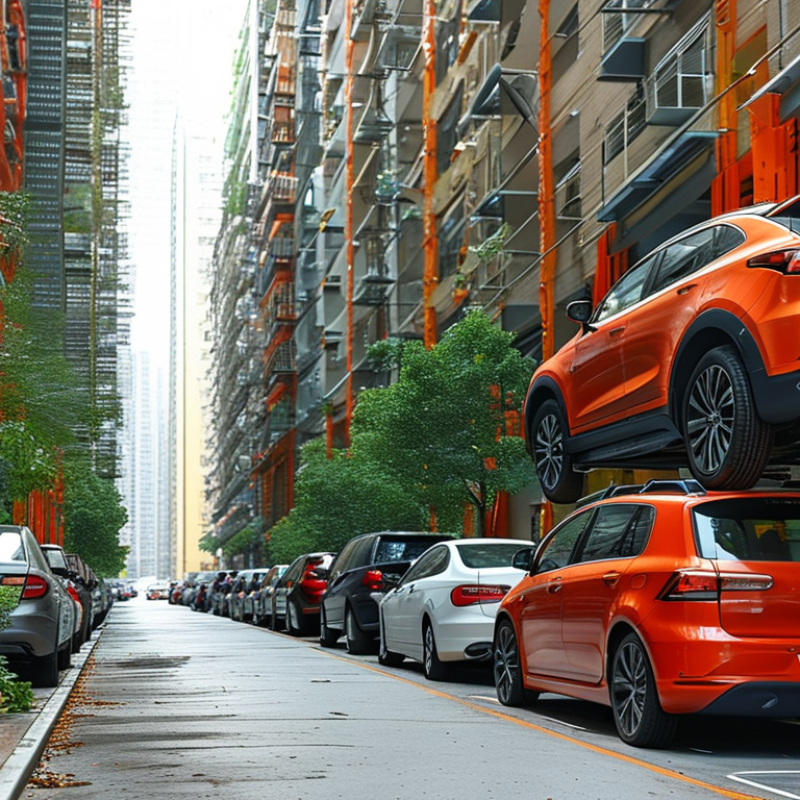
Top 10 Car Stacker Solutions for Efficient Space Saving?

Overview of Car Stackers and Their Benefits

Car stackers have emerged as a vital solution for efficiently utilizing limited parking space, especially in urban environments. According to the International Parking & Mobility Institute, parking space can take up to 30% of urban land. Given that parking demand continues to rise, car stackers offer a practical way to double or triple parking capacity in the same footprint. Their ability to automatically lift and store vehicles makes them increasingly attractive for both commercial and residential properties.

Implementing car stackers can significantly reduce the overall environmental footprint of a parking facility. A study by the National Renewable Energy Laboratory found that maximizing vertical space can lead to a 25% decrease in land use per vehicle. Additionally, they often consume less energy than traditional parking alternatives, contributing to sustainability goals. However, the initial investment and ongoing maintenance require careful budgeting and planning. It's important to note that while these solutions are effective, their operation can pose challenges, such as potential breakdowns and the need for technical knowledge for repairs.

Furthermore, user experience is crucial. Many potential users express concerns about safety and accessibility. A survey from the Parking Research Institute highlighted that 60% of drivers prefer traditional parking due to fears surrounding automated systems. Addressing these concerns and ensuring user education are key for maximizing the benefits of car stackers in urban settings.

Top 10 Car Stacker Solutions for Efficient Space Saving

Types of Car Stacker Solutions Available in the Market

Car stacker solutions are increasingly popular in urban environments. They optimize limited space, catering to both residential and commercial needs. Various types are available, making it crucial to understand their unique benefits.

Mechanical stackers, for instance, provide a robust system for maximizing space. They can typically accommodate multiple vehicles in a compact footprint. According to industry reports, these stackers can save up to 60% of parking space compared to traditional lots. Their reliability is backed by data showing low failure rates when maintained properly. However, mechanical systems require periodic servicing, which can be a downside for some users.

Another option is the hydraulic car stacker. This solution utilizes hydraulic lifts to transport vehicles efficiently. These systems are known for their ease of use and speed. A recent survey found that users prefer hydraulic models for their seamless operation. Nevertheless, their installation can be complex, often requiring structural modifications. Each type of stacker has its trade-offs. Ultimately, assessing specific needs and evaluating efficiency is essential for choosing the right solution.

Key Features to Consider When Choosing a Car Stacking System

When choosing a car stacking system, certain key features are essential. Space efficiency is one of the primary considerations. A well-designed system maximizes parking capacity while minimizing the footprint. Look for systems that offer adjustable heights. This flexibility allows for accommodating different vehicle sizes. Another vital feature is safety. Systems should have robust locking mechanisms and fail-safes to prevent accidents. Structural integrity is crucial. Ensure the materials used are durable and can withstand regular use.

Additionally, ease of use cannot be overlooked. Operators should find the system user-friendly. Intuitive controls and clear signage enhance the experience. A reliable car stacking system should also allow for quick access to vehicles. Delays can be frustrating, especially in high-demand areas. Maintenance requirements must be clear and manageable. Some systems may need frequent checks; others may be more low-maintenance.

Consider how the aesthetics align with the space. Aesthetically pleasing designs can enhance the overall environment. Not every solution looks good with every architecture. Reflect on these aspects as you review options. Finding the best fit might take time and careful thought. Remember, the right car stacking system will be one that meets practical needs while looking good in your facility.

Top 10 Car Stacker Solutions for Efficient Space Saving

Model Lifting Capacity Number of Cars Footprint (LxW) Drive Type Safety Features
Stacker A 2000 kg 2 5m x 3m Electric Emergency Stop, Safety Lock
Stacker B 3000 kg 3 6m x 4m Hydraulic Overload Protection, Alarm System
Stacker C 2500 kg 2 4m x 3.5m Manual Stability Control, Safety Barriers
Stacker D 3500 kg 4 7m x 5m Electric Smart Sensors, Remote Monitoring
Stacker E 1500 kg 1 3m x 2m Manual Anti-Fall Protection, Safety Locks
Stacker F 4000 kg 5 8m x 6m Hydraulic Automatic Safety Shutdown, Edge Sensors
Stacker G 2800 kg 3 5m x 5m Electric Emergency Shutoff, Structural Support
Stacker H 3200 kg 4 6m x 4.5m Hydraulic Safety Rails, Slippery Surface Detection
Stacker I 2300 kg 2 4.5m x 3m Manual Foot Pedal Control, Fail-Safe Design
Stacker J 3600 kg 5 7m x 5m Electric Sensor-Based Safety, Auto-Lock System

Installation and Maintenance Guidelines for Car Stackers

Installing and maintaining car stackers requires careful planning. Proper installation ensures safe and efficient use. Statistics indicate that improperly installed stackers can lead to accidents, causing damage to vehicles and property. A report by the National Safety Council highlights that about 30% of mechanical failures in vertical systems stem from installation errors.

Routine maintenance is essential for longevity. It’s recommended to conduct inspections every six months. This includes checking hydraulic systems and ensuring there are no leaks. Neglecting maintenance can lead to costly repairs. Research shows that regular upkeep can extend the life of car stackers by up to 50%.

Consider staff training as a critical part of your strategy. Employees must understand both operation and safety protocols. A survey indicates that training reduces the risk of accidents by 40%. It’s vital to document all maintenance activities. This not only aids in troubleshooting but also adds to the reliability of your equipment. Keeping detailed records can help identify patterns that warrant deeper analysis or intervention.

Cost Analysis and Return on Investment for Car Stackers

When considering car stackers, cost analysis is crucial. The initial investment can seem daunting. However, these solutions can maximize parking efficiency. A single stacker can save space and reduce the need for extensive parking lots. Over time, this translates into lower operational costs. Consider the amount spent on land, maintenance, and labor. Analyze how stackers can streamline these expenses.

Return on investment is equally important. While the setup costs can be high, the benefits often outweigh them. For instance, some systems can double or triple parking capacity. This can significantly boost revenue for businesses. Additionally, car stackers can enhance site aesthetics. More cars in less space looks attractive and professional. Businesses should weigh these factors carefully. Consider whether the increased income justifies the investment.

Evaluating the efficiency of the chosen solution is necessary. Some might not fit every situation. Understanding each stacker type will help. It’s essential to assess the specific needs of the location. Reflect on potential challenges. Ensure the solution matches the scale and type of usage required. This insight can help in making an informed decision.

FAQS

: What are the types of car stacker solutions available?

: There are mechanical and hydraulic car stackers. Each has distinct benefits for space optimization.

How do mechanical stackers benefit users?

Mechanical stackers maximize parking space, saving up to 60% compared to traditional lots. They are reliable but need regular maintenance.

What advantages do hydraulic car stackers offer?

Hydraulic stackers are user-friendly and fast. They efficiently lift vehicles but require complex installation, often needing modifications.

Why is cost analysis important when considering car stackers?

Evaluating costs helps understand initial investments and potential savings. This impacts maintenance and land expenses significantly.

What is the significance of return on investment for car stackers?

Although setup costs are high, benefits often include increased parking capacity and boosted revenue for businesses over time.

How can businesses enhance site aesthetics with car stackers?

More cars in compact space look professional and organized, improving site appeal. This can have positive effects on customer perception.

What should users consider when choosing a car stacker?

Users must assess their specific needs. Understanding the challenges and suitability for the location is vital for effective usage.

Are there any downsides to using mechanical stackers?

Yes, they require ongoing maintenance, which can be a drawback for some users. This needs consideration in the long run.

How can businesses reflect on their parking solutions?

Assessing the suitability of stackers can reveal mismatches in efficiency and functionality. Reflecting on needs is essential for informed decisions.

Conclusion

Car stackers are innovative solutions designed to maximize parking space and enhance efficiency in both residential and commercial settings. These systems offer a range of benefits, including optimized land use and improved vehicle accessibility. Various types of car stacker solutions are available, each tailored to different needs, from mechanical lifts to automated parking systems.

When selecting a car stacking system, it’s essential to consider key features such as weight capacity, ease of use, and safety mechanisms. Proper installation and regular maintenance play a crucial role in ensuring the longevity and effectiveness of these systems. Additionally, a thorough cost analysis, including potential savings from increased parking capacity and return on investment, is critical for making informed decisions regarding car stackers. Ultimately, investing in the right car stacker can lead to significant improvements in space management and operational efficiency.

Liam

Liam

Liam is a dedicated marketing professional with a profound expertise in the industry, where he excels at highlighting the unique advantages of our core products. With a keen understanding of market trends and consumer needs, Liam frequently updates our company’s professional blog, providing......