 Cherish
Cherish
Cherish
In the rapidly evolving world of construction and maintenance, the demand for efficient lifting solutions is paramount. The "Scissor Lift Hoist" has emerged as a key player in this sector. According to the Global Equipment Rental Market report by Grand View Research, the demand for scissor lifts is projected to grow by over 5% annually, driven by a surge in infrastructure projects worldwide.
Industry expert John Smith, a senior analyst at Lift Technologies, emphasizes the importance of these devices: “Choosing the right scissor lift hoist can dramatically improve productivity and safety on job sites.” His insights highlight the need for informed decision-making among global buyers.
While numerous models exist, not all are suited for every task. Buyers often encounter challenges in selecting the ideal scissor lift hoist, given the wide range of specifications and features. As companies seek to balance cost and efficiency, these choices can significantly impact operations and safety. Therefore, understanding the top models available today is critical for maximizing investment and ensuring worker safety.
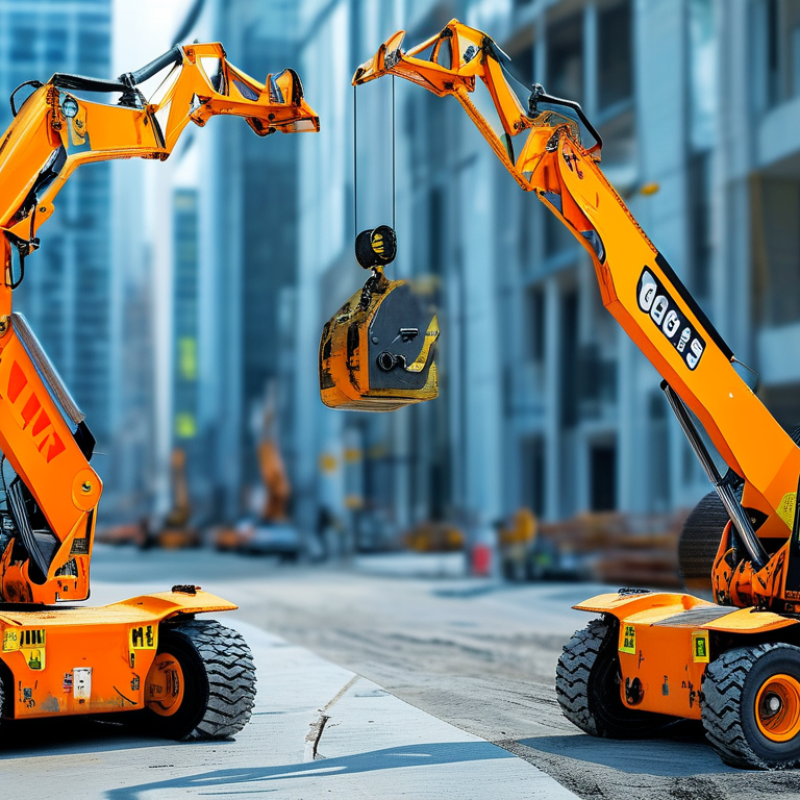
Scissor lift hoists are essential tools for various industry operations. Their design allows for safe lifting and maneuvering in tight spaces. These lifts can elevate workers to significant heights, enhancing productivity. They are particularly useful in construction sites, warehouses, and maintenance tasks. Unlike traditional hoists, scissor lifts provide a stable platform, reducing the risk of accidents.
One of the key features of scissor lift hoists is their ability to extend vertically while maintaining a compact footprint. This design is advantageous in areas with limited overhead space. Many models include safety mechanisms like guardrails and emergency stop buttons. However, the complexity of operation can be challenging for novice users. Training and experience are crucial for safe handling. Regular maintenance is also vital to ensure longevity and reliability.
The versatility of scissor lifts is another significant benefit. They can be equipped with various attachments for different tasks. However, selecting the right model can be overwhelming due to the numerous options available. Buyers should consider weight capacity, height range, and also the type of terrain. Understanding these factors contributes greatly to making the right choice. Adequate research and expert consultation can help navigate these challenges effectively.
| Model | Lift Height (ft) | Platform Capacity ( lbs ) | Weight ( lbs ) | Power Source | Key Features |
|---|---|---|---|---|---|
| Model A | 32 | 1500 | 3000 | Electric | Compact Design, Easy Mobility |
| Model B | 40 | 2000 | 4000 | Diesel | Rough Terrain, High Stability |
| Model C | 28 | 1200 | 2500 | Electric | Lightweight, Easy Setup |
| Model D | 35 | 1000 | 2700 | Hydraulic | Versatile Use, Safety Features |
| Model E | 25 | 1100 | 2300 | Electric | User-Friendly Controls, Foldable |
| Model F | 30 | 1600 | 3200 | Bi-Energy | Eco-Friendly, Robust Design |
| Model G | 38 | 1800 | 3500 | Diesel | Heavy-Duty, High Performance |
| Model H | 45 | 2500 | 4500 | Electric | Highly Maneuverable, Great Stability |
| Model I | 33 | 1400 | 2800 | Hydraulic | Smooth Operation, Durable Build |
| Model J | 37 | 1900 | 3600 | Bi-Energy | Advanced Features, Safety Certs |
: Scissor lift hoists are used in construction, warehouses, and maintenance tasks. They elevate workers safely.
They provide a stable platform, reducing accident risks. This stability enhances overall productivity at work sites.
They extend vertically while keeping a compact footprint. This design is beneficial for tight areas.
Important factors include weight capacity, height range, and terrain type. Research and expert advice can help make choices easier.
Yes, most models have guardrails and emergency stop buttons. These features are important for user protection.
The operation can be complex for beginners. Proper training ensures safe handling and reduces accident risks.
There has been an increase in technological advancements. Manufacturers focus on durability, performance, and safety regulations.
Some buyers struggle to understand technical specifications. This can lead to selecting unsuitable models and operational challenges.
Consumers highlight issues needing attention. This feedback prompts manufacturers to innovate while ensuring reliability.
Different regions may prioritize cost or advanced technology. Manufacturers must adapt to these varying market demands.
Scissor lift hoists are essential tools in various industries, providing efficiency and safety for lifting tasks at height. This article explores the features and benefits of scissor lift hoists, highlighting their advantages in enhancing productivity and ensuring worker safety. A comprehensive comparison of the top 10 scissor lift hoist models offers insights into their unique specifications and performance metrics, enabling global buyers to make informed decisions.
Key factors to consider when choosing the right scissor lift hoist model include load capacity, height range, and portability. Additionally, the article discusses current global market trends in scissor lift hoist manufacturing, emphasizing the growing demand for innovative designs. To maximize longevity and performance, maintenance tips are provided, ensuring that operators can maintain their scissor lift hoists in optimal condition for years to come.
