
Cherish Cherish

Top Scissor Lift Hoists for Sale Worldwide

Time:2026-11-12 Author:Charlotte
0%

Choosing among the top Scissor Lift Hoist options for sale worldwide starts with the work, not the brochure. A workshop moving engine parts has different needs from a warehouse loading pallets or a construction crew positioning materials. Platform size, rated capacity, lifting height, and duty cycle all affect whether a model is suitable. Check the actual load, including tools and attachments. Small oversights matter.

A dependable comparison also looks beyond lifting performance. Review the base dimensions, power source, control layout, emergency-lowering method, and available guarding. Ask suppliers for clear specifications, operating instructions, warranty terms, and information about parts and service in your region. Requirements can vary by workplace and location, so confirm applicable standards with qualified local professionals before purchase. A supplier’s claim alone is not verification.

This guide explores Scissor Lift Hoist types, common applications, and practical points to compare when buying internationally. It also considers delivery, installation support, and after-sales service, which can shape the real cost of ownership. A low quoted price may not include everything needed to put a unit into service. Be cautious. Product names can be inconsistent, and similar-looking machines may have different ratings or intended uses. The right choice is the one whose documented capabilities match your task, site conditions, and maintenance resources. Even then, reassess the decision as workloads change. That part is easy to overlook.
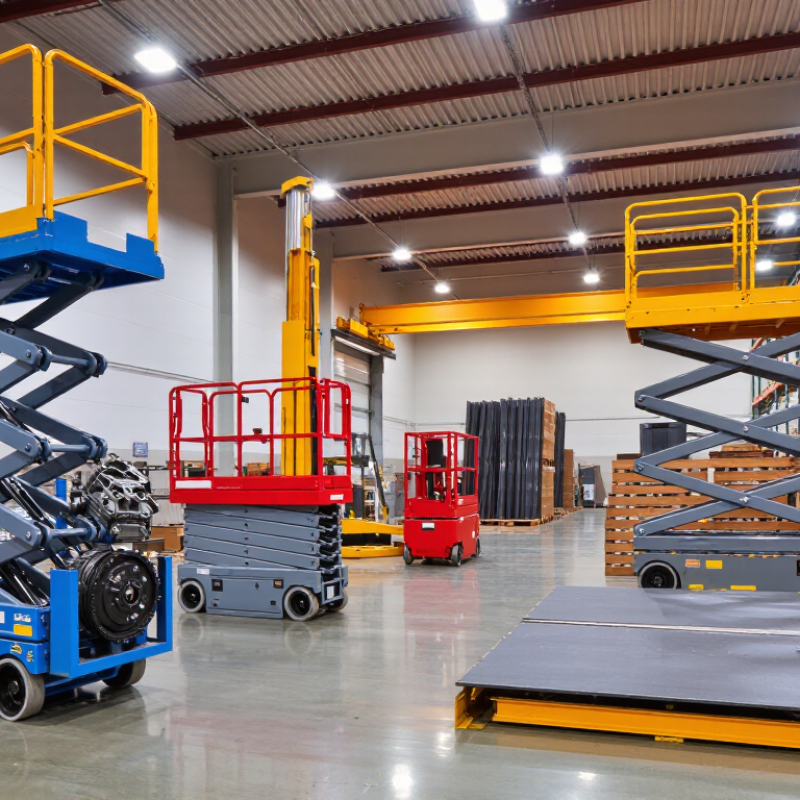
Top Scissor Lift Hoists for Sale Worldwide

What Is a Scissor Lift Hoist?

A scissor lift hoist is usually a powered platform that rises as crossed steel arms extend beneath it. Hydraulic or electric systems drive the movement, lifting workers, tools, or materials vertically. The phrase “scissor lift hoist” is used loosely; many units are access platforms, not general-purpose cranes. That distinction matters. A platform’s rated capacity and permitted use should match the task, not just the height required.

For buyers comparing equipment worldwide, check working height, platform size, load limit, power source, and surface conditions. A compact electric model may suit a smooth indoor floor, while rough terrain calls for different tires and stability features. Guardrails and emergency-lowering controls are practical details, not extras. OSHA’s review of reported U.S. incidents from 2003 to 2011 recorded 22 scissor-lift-related deaths and 1,349 injuries. This older figure is not a current global risk rate, but it underlines why operator training and site checks deserve attention. Even experienced crews can overlook overhead obstructions. Before raising the platform, inspect the ground, nearby power lines, and the lift’s condition.

Top Scissor Lift Hoists for Sale Worldwide — What Is a Scissor Lift Hoist?

Compare indicative platform-height ranges across common scissor lift categories. Actual specifications vary by model and manufacturer.

What is a scissor lift hoist? It is a vertically lifting work platform raised by linked, crossed supports that open and close like scissors. Scissor lifts are commonly used to elevate people, tools, and materials for work at height. Platform height is not the same as working height; working height is typically higher and depends on the operator’s reach.

Ranges shown are illustrative, general equipment-specification ranges—not sales figures or a guarantee for any particular model.

How Scissor Lift Hoists Work

A scissor lift hoist raises its platform through linked steel arms arranged in an X pattern. A hydraulic cylinder pushes the arms apart, turning hydraulic pressure into upward movement. An electric motor often powers the pump, though power systems vary by model. The platform rises in controlled increments. It lowers as fluid returns through a controlled valve. Small motions matter.

Operators use ground or platform controls to raise and lower the lift. Depending on the model, sensors and switches may monitor height, tilt, or load. Before lifting, check the rated capacity, floor condition, guardrails, and nearby obstacles. A firm, level surface matters. Keep the load centered. These details are easy to miss.

As the arms extend, their pivot pins carry changing forces, while the base must remain stable. A scissor lift is not a crane; use it only within its stated limits. Keep hands clear of moving joints, and follow the manual for inspection and emergency lowering. If the lift jerks, leaks, or tilts, stop and report the issue. Hydraulic systems can appear simple, but wear or poor maintenance may affect smooth operation.

Common Types and Key Specifications

Scissor lift hoists come in several practical forms. Stationary models suit production lines and loading areas, where a fixed footprint and repeatable lift height matter. Mobile units add wheels for moving loads between workstations, though their capacity can drop on uneven floors. Low-profile tables accept pallets close to floor level, often reducing the need for a separate loading ramp. For outdoor jobs, rough-terrain models use larger tires and more ground clearance. Match the type to the floor and task.

Compare rated capacity, maximum platform height, closed height, and platform size. A 1,000-kilogram rating may assume a centered, evenly distributed load; a heavy component placed near one edge changes the picture. Check the lift cycle time, power supply, and expected cycles per hour, especially for busy shifts. Guardrails, toe guards, emergency stops, and controlled lowering are useful features to verify. They are not decorative. Also check how the unit fits through doorways and beneath overhead equipment. Sizing is rarely tidy. A small mismatch can make a suitable-looking lift awkward in daily use, so review the specification sheet against a real load and workspace before buying.

How to Compare Scissor Lift Hoists for Sale Worldwide

When comparing scissor lift hoists for sale worldwide, start with the job, not the advertised maximum height. Measure the doorway, aisle width, ceiling clearance, and the tightest turning point. A lift that reaches 10 metres may still be too wide for a warehouse aisle. Check platform dimensions and rated capacity, including workers, tools, and materials. Small oversights add up.

Look beyond lifting height. Compare indoor or rough-terrain suitability, tyre type, ground clearance, and floor load limits. On a polished concrete floor, non-marking tyres can matter more than extra clearance. Ask how the machine handles uneven surfaces and whether it includes guardrails, emergency lowering, and tilt or pothole protection. These features should match the worksite, not just the catalogue.

Power and support deserve close attention. Confirm battery run time, charging time, local voltage compatibility, and access to replacement parts. For international purchases, request clear details on shipping dimensions, manuals, warranty coverage, and technician support in your region. A low purchase price can be misleading if parts take weeks to arrive. That happens. Compare written specifications, then ask the seller to confirm any unclear measurement. Even careful buyers can miss a detail.

Safety Standards and Purchasing Considerations

When comparing scissor lift hoists for sale worldwide, check the safety standard for the destination market. ANSI/SAIA A92.20 covers design, while A92.22 addresses safe use. In Europe, EN 280-1 is a key reference. Requirements and accepted editions can differ, so verify current local rules before ordering.

Look beyond maximum platform height. Confirm rated load, platform size, slope limits, indoor or outdoor rating, and ground conditions. A lift carrying tools and two workers may reach its load limit faster than expected. Check for guardrails, emergency lowering controls, tilt alarms, clear operating instructions, and accessible inspection records. Small details matter.

The U.S. Bureau of Labor Statistics recorded 885 fatal workplace injuries from falls, slips, and trips in 2023. That figure covers many work settings, not scissor lifts alone, but it shows why fall prevention deserves close attention.

Ask the seller for conformity documents, service history, parts availability, and operator training materials. For used equipment, inspect the tires, hydraulic lines, welds, controls, and platform gate in person when possible. A clean checklist helps, but it cannot reveal every problem. Budget time for a competent inspection and a practical handover; buyers sometimes underestimate both.

FAQS

How does a scissor lift hoist raise its platform?

A hydraulic cylinder pushes linked steel arms apart. Their X-shaped movement raises the platform. Small motions matter.

How does the platform come back down?

A controlled valve lets hydraulic fluid return. The platform lowers gradually when the operator uses the controls.

What should I check before raising a load?

Check the rated capacity, floor condition, guardrails, and nearby obstacles. Keep the lift on firm, level ground and center the load.

Can a scissor lift hoist be used like a crane?

No. It is designed to raise its platform within stated limits, not lift loads like a crane. Keep hands clear of moving joints.

What measurements matter when comparing lifts?

Measure doorways, aisle width, ceiling clearance, and tight turns. A lift reaching 10 metres may still be too wide for an aisle.

Which surface and tyre details should I compare?

Check indoor or rough-terrain suitability, ground clearance, tyre type, and floor load limits. Non-marking tyres may help protect polished concrete.

What safety features and support should I ask about?

Ask about guardrails, emergency lowering, tilt or pothole protection, and local technician support. Confirm battery run time and charging time, too.

What should I do if a lift jerks, leaks, or tilts?

Stop using it and report the problem. Follow the manual for inspection and emergency lowering. I would still double-check unclear specifications in writing.

Conclusion

A Scissor Lift Hoist is a lifting system that uses crossed supports to raise and lower a platform or load vertically. Its powered mechanism extends the linked arms, while controls and safety components help keep movement stable and predictable. Understanding how the lift operates makes it easier to choose equipment suited to the required working height, load capacity, platform size, power source, and operating environment.

When comparing Scissor Lift Hoists for sale worldwide, consider the type of lift, its specifications, mobility, intended use, maintenance needs, and available support. Check that the equipment includes appropriate safeguards, such as emergency stops, overload protection, and secure platform features, and review its documentation and applicable safety standards. A careful comparison helps buyers select a reliable model that fits both operational requirements and site conditions.

Charlotte

Charlotte

Charlotte is a seasoned marketing professional with a deep understanding of the company's portfolio and a passion for elevating its presence in the market. With a keen eye for detail and a commitment to excellence, she ensures that our professional blog is regularly updated with insightful articles......