
Cherish Cherish

Top Water Purification Plant Solutions for Global Buyers?

Time:2026-07-18 Author:Ethan
0%

In an era where clean water is essential, investing in a reliable Water Purification Plant is crucial. As global demand for purified water rises, the need for effective purification solutions becomes clear. Various technologies and methods are available, each with its advantages and challenges.

The landscape of water purification is vast and complex. From advanced filtration systems to chemical treatments, buyers face numerous options. Selecting the right solution requires a deep understanding of local water quality and specific needs. It's not just about technology; it’s about building a sustainable future. Each choice impacts health and environment.

Many buyers struggle with decision-making. They may overlook the long-term costs or fail to consider maintenance. Experience shows that investing in a quality Water Purification Plant pays off. Buyers should reflect on their unique circumstances to navigate this important decision effectively. Ultimately, the right solution enhances community health and safety.
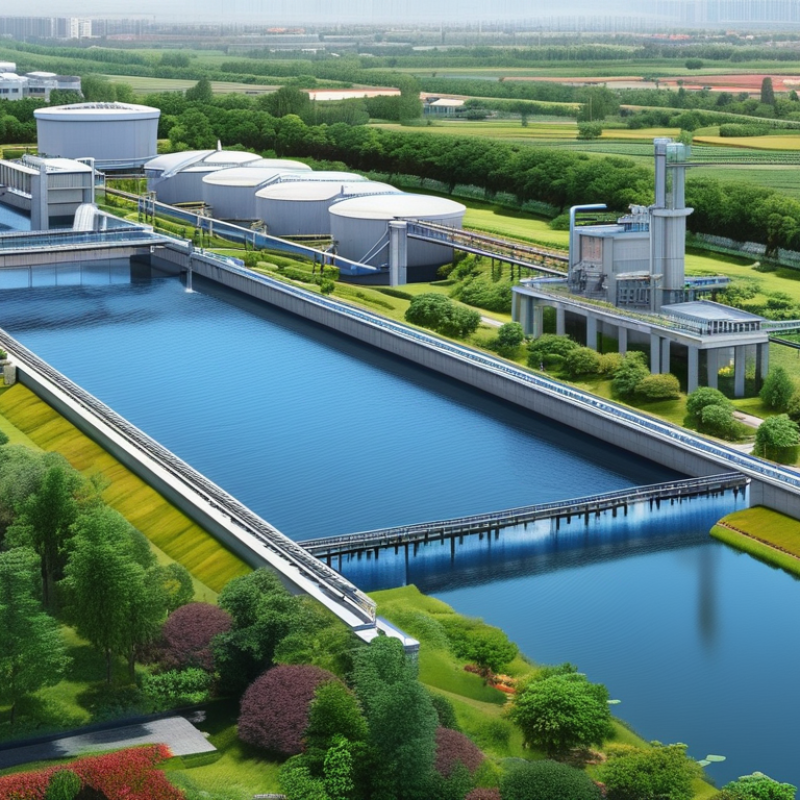
Top Water Purification Plant Solutions for Global Buyers?

Latest Innovations in Water Purification Technologies

In recent years, water purification technologies have evolved significantly. Innovations in filtration systems and disinfection methods offer solutions for various needs. The focus is on creating safe drinking water while minimizing environmental impact. Ultraviolet (UV) light systems, for instance, effectively eliminate pathogens without chemicals. Nanotechnology also plays a vital role in enhancing filtration processes, capturing even the smallest contaminants.

**Tip:** Regularly assess your water source quality. Different regions face unique challenges in water contamination. Understanding these challenges is essential for selecting the right purification method.

Advanced membrane technologies provide additional options. Reverse osmosis systems can remove a wide range of impurities. However, they may waste water during the process. It’s crucial to consider this aspect when implementing new systems. Experts suggest continuous monitoring and testing to ensure optimal effectiveness.

**Tip:** Invest in a reliable maintenance schedule. Regular upkeep extends the lifespan of purification systems. This can prevent unexpected failures and costly repairs down the line.

Top Water Purification Plant Solutions for Global Buyers

Technology Type Configuration Efficiency (%) Main Features Ideal Application
Reverse Osmosis Modular 99% Highly effective in removing dissolved solids Municipal & Industrial
Ultrafiltration Skid-mounted 95% Removes bacteria and viruses Drinking Water & Wastewater
Activated Carbon Filtration Standalone 80% Removes organic compounds and chlorine Residential & Light Industrial
UV Purification Compact 99.9% Effective against 99% of bacteria and viruses Point of Use & Large Systems
Electrodeionization Integrated 98% Continuous process with no chemical regeneration Pharmaceutical & Electronics

Comparison of Different Water Purification Methods

Water purification methods vary significantly, catering to diverse needs and conditions. Each method has its unique advantages and limitations. For instance, reverse osmosis effectively removes contaminants, but it can be costly. Also, it produces wastewater. Conversely, distillation is reliable but energy-intensive and time-consuming.

Another common approach is UV purification. This method effectively eliminates pathogens without adding chemicals. However, it requires clear water to function optimally. If the water has high turbidity, UV treatment may not be effective. Activated carbon filtration is popular for improving taste and odor. Still, it may not remove certain heavy metals or pathogens entirely.

Choosing a water purification method requires careful consideration. It's essential to assess local water quality, budget, and specific needs. Neither method is perfect. Each has its strengths and weaknesses, which necessitates a thorough evaluation to ensure safe drinking water. This reflection process can help buyers make informed decisions in a complex landscape.

Factors to Consider When Choosing a Water Purification Plant

Choosing the right water purification plant involves multiple factors. One critical aspect is the water source. Groundwater, surface water, and seawater each require different purification techniques. A report from the World Health Organization reveals that groundwater is often more reliable, but it can still be contaminated. Assessing the source is essential for determining the purification methods needed.

Another crucial factor is the plant's capacity and technology. The global demand for purified water is increasing, projected to reach a market value of $29.5 billion by 2026. Buyers should consider how technologies like reverse osmosis or ultraviolet light can enhance water quality. Yet, not all technologies suit every situation. A mismatch could lead to inefficiency and higher operational costs.

Cost is also a significant consideration. Initial investment may be high, but ongoing operational costs must also be evaluated. According to industry reports, operational costs can account for up to 30% of a plant's total budget. Potential buyers should consider not just the purchase price but the long-term financial impact as well. Balancing these elements is vital for a successful water purification solution.

Global Market Trends in Water Purification Solutions

As the global demand for clean water rises, water purification solutions are evolving. Innovative methods now prioritize sustainability and efficiency. New technologies are emerging, which allow for better filtration and reduced energy consumption. This shift reflects an urgent need to address water scarcity and pollution.

The market is witnessing a transformation with increased investment in research and development. Companies are focusing on decentralized purification systems, which offer flexibility in various environments. However, implementing these solutions often encounters challenges. Not all regions have the infrastructure needed for advanced systems, leading to gaps in accessibility.

Additionally, water quality varies greatly across different areas. This inconsistency complicates the standardization of purification solutions. It's essential for stakeholders to remain adaptable and responsive to local needs. As the landscape changes, so does the importance of collaboration among industries, governments, and communities. Addressing these complexities will require continuous learning and adjustment.

Leading Companies in Water Purification Equipment Manufacturing

In the realm of water purification, industry leaders are innovating continuously to meet global demands. According to a recent report by the Global Water Purification Market Analysis, the sector is projected to reach $45 billion by 2025, driven by increasing concerns over water quality and availability. Key players emphasize the necessity of advanced filtration technology. This tech is often critical for ensuring safe drinking water.

Numerous studies highlight the importance of reverse osmosis systems. These systems can remove up to 99% of contaminants. However, many plants still struggle with energy efficiency and waste management. As facilities operate around the clock, this raises questions about their environmental impact. Some newer technologies address these issues, focusing on reducing energy consumption while improving purification efficiency. Yet, not all companies prioritize sustainability.

Moreover, customer expectations are evolving. Buyers are seeking tailored solutions that fit local needs and regulations. The rise of smart water purification systems illustrates this shift, integrating IoT monitoring for real-time data. Such advances are promising, but adoption can be slow. There are challenges related to cost and technical expertise. Companies must invest wisely in research and development to remain relevant. The path ahead requires a balance of innovation and responsibility.

FAQS

: What are common water purification methods?

: Common methods include reverse osmosis, distillation, UV purification, and activated carbon filtration. Each has strengths and weaknesses.

How effective is reverse osmosis?

Reverse osmosis effectively removes contaminants but can be costly and generates wastewater. It's not perfect.

What is a drawback of distillation?

Distillation is reliable but energy-intensive and time-consuming. This can lead to inefficiencies in larger operations.

How does UV purification work?

UV purification eliminates pathogens without chemicals. However, it needs clear water for optimal effectiveness. Turbidity impacts its performance.

What is activated carbon filtration best for?

Activated carbon filtration improves taste and odor. Still, it might not remove heavy metals or all pathogens.

What factors should be considered when choosing a purification method?

Consider local water quality, budget, and specific needs. Each method has unique advantages and disadvantages.

Why is the water source important in purification?

The water source affects the required purification techniques. Groundwater, surface water, and seawater need different approaches.

How can technology impact water purification?

Technologies like reverse osmosis or UV light can enhance quality. However, mismatched technologies can increase costs and inefficiency.

What financial aspects should buyers evaluate?

Buyers should assess initial investments and ongoing operational costs. These ongoing costs can be a significant part of the budget.

Is there a perfect water purification method?

No method is perfect. Each requires careful evaluation to meet specific needs and ensure safe drinking water.

Conclusion

The article titled "Top Water Purification Plant Solutions for Global Buyers" explores the latest innovations in water purification technologies, emphasizing the importance of selecting the right Water Purification Plant for diverse needs. It compares various water purification methods, such as reverse osmosis, UV treatment, and activated carbon filtration, highlighting their effectiveness and suitability for different applications.

Moreover, the article outlines critical factors to consider when choosing a water purification plant, including capacity, maintenance costs, and the specific contaminants to be removed. Additionally, it delves into global market trends, showcasing the increasing demand for sustainable and efficient water purification solutions. By examining leading companies in water purification equipment manufacturing, the piece serves as a comprehensive guide for buyers seeking optimal solutions to meet their water purification needs.

Ethan

Ethan

Ethan is a seasoned marketing professional with a deep expertise in our company's innovative product line. With a passion for sharing knowledge and insights, he takes the lead in regularly updating our corporate blog, where he explores industry trends, product features, and effective marketing......