 Cherish
Cherish
Cherish
Precision-engineered car stackers, pit-lifts, and display turntables meeting stringent European CE Standards.
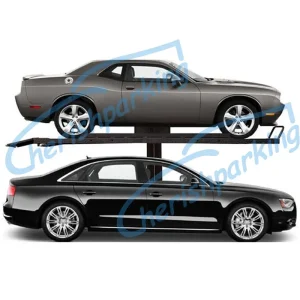
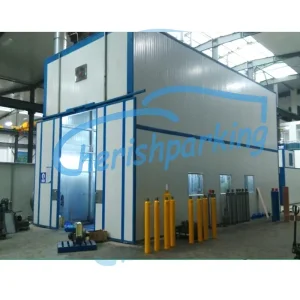
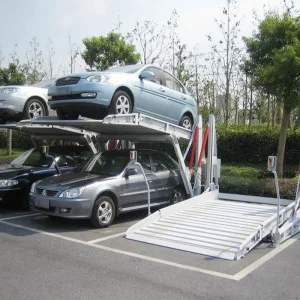
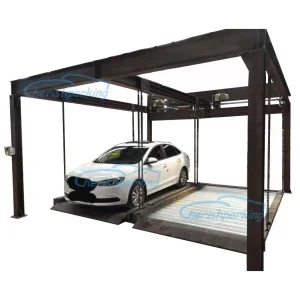
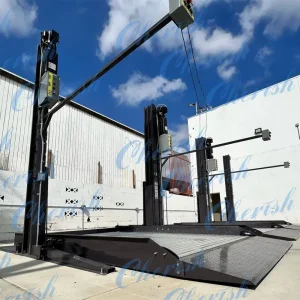
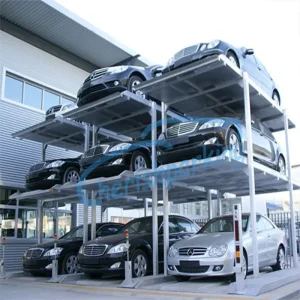
Rapid global urbanization and the prioritization of structural efficiency have transformed spatial design requirements in metropolises. Traditional horizontal parking is no longer viable for high-density commercial developments, modern residential complexes, and logistics centers. Real estate investors, architects, and municipal bodies are pivoting to Automated Mechanical Parking Systems as core infrastructure assets.
As standard-setters in this sector, specialized manufacturers focus on maximizing volumetric space utilization while integrating smart grid technologies, EV charging infrastructure, and advanced dynamic balancing systems. These mechanical systems reduce structural space footprints by up to 70% compared to conventional concrete parking ramps, redirecting valuable square footage to functional commercial or green spaces.
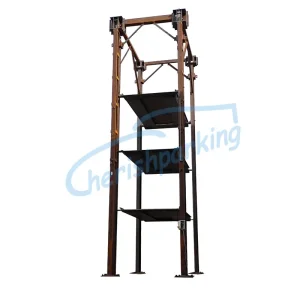
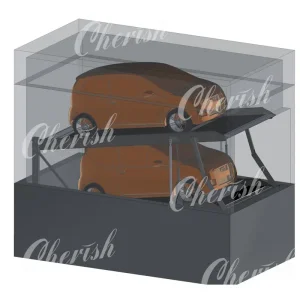
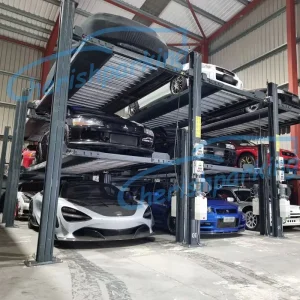
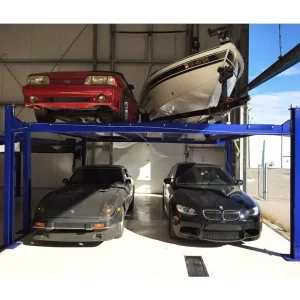
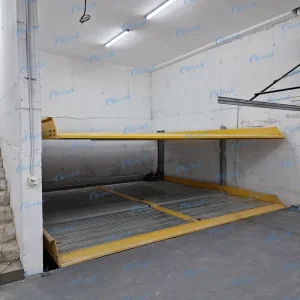
By leveraging hydraulic cylinders, multi-stage telescopic systems, and heavy-duty motor drives, automated parking configurations stack vehicles vertically and horizontally with millimeter precision, transforming simple empty airspace into valuable multi-deck garages.
Modern layouts integrate bus-duct power distribution directly into mobile structural platforms, allowing electric vehicles to charge safely while elevated. These setups feature built-in temperature monitors and automatic fire-suppression linkages.
Every parking stacker and pit lift is designed using Finite Element Analysis (FEA) to verify high wind-load, seismic, and dynamic load tolerances. This design approach guarantees safe operations over a 25-year structural service lifespan.
CE Certification is not merely a compliance sticker; it is a declaration of compliance with rigorous occupational safety standards and functional reliability directives. For mechanical and automated parking systems operating in public and private spaces, adherence to the EN 14010 European Standard is mandatory. This standard outlines safety requirements for design, manufacturing, installation, and commissioning stages.
At the manufacturing facility level, compliance involves several strict technical procedures:
For custom basement or outdoor pit parking lifters, anti-corrosion is crucial. Cherish addresses this by utilizing its proprietary, integrated Electro-coating and Powder Coating Line System. This advanced finish ensures a uniform protective layer even on internal frame elements, providing excellent rust and chemical resistance compared to basic spray paint finishes.
Founded on the principles of "integrity, innovation, quality, and service," Cherish has spent 15 years developing industrial mechanical solutions. Our product ecosystem covers three primary sectors:
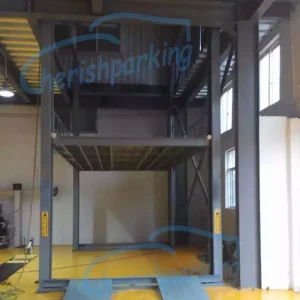
From single-post stackers to multi-level puzzle parking layouts and heavy-duty commercial freight elevators, we design systems that make vertical parking safe, fast, and simple.
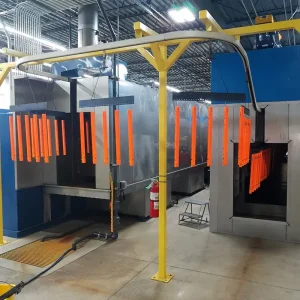
We manufacture advanced powder-coating lines and cyclone recovery spray booths. This vertical manufacturing capability ensures our parking system components receive durable, corrosion-resistant finishes.
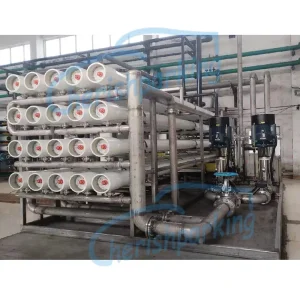
Cherish supplies integrated wastewater systems, MBR membrane bioreactors, and reverse osmosis (RO) desalination plants, helping industrial complexes operate sustainably.
Before installing a mechanical parking layout, developers and engineers must align structural designs with the physical requirements of the machinery. Below are typical installation scenarios and their corresponding civil engineering specifications:
The automated parking sector is transitioning from simple hydraulic control to intelligent, cloud-connected digital platforms. Future-proof parking solutions integrate real-time diagnostic systems, remote monitoring capabilities, and smart sensors that coordinate with autonomous vehicles.
Key technologies currently driving R&D at Cherish include:
From multi-level car stackers to heavy-duty freight lifts, custom powder-coating plants, and desalination systems.
Review our direct factory answers regarding technical requirements, installation, and global safety standards.