 Cherish
Cherish
Cherish
High-performance mechanical stackers and heavy equipment certified for demanding international markets.
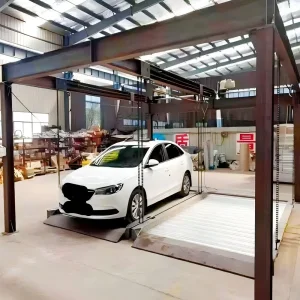
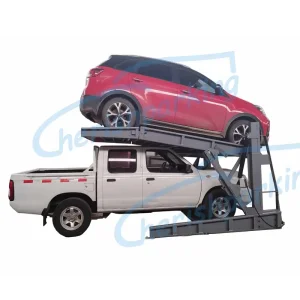
As rapid global urbanization and skyrocketing real estate prices put immense strain on metropolitan space planning, structural engineers, commercial developers, and facility managers face a common challenge: optimizing parking footprint density without sacrificing structural safety or user convenience. This is where CE-certified four-post stacker parking lifts have emerged as the industry gold standard. These mechanical systems represent the intersection of heavy structural mechanics, advanced hydraulic engineering, and dynamic safety compliance.
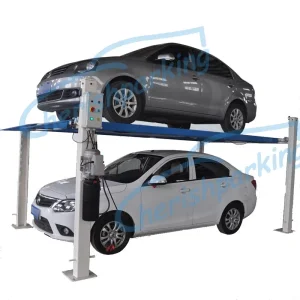
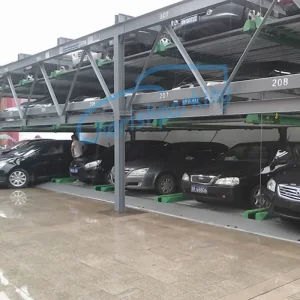
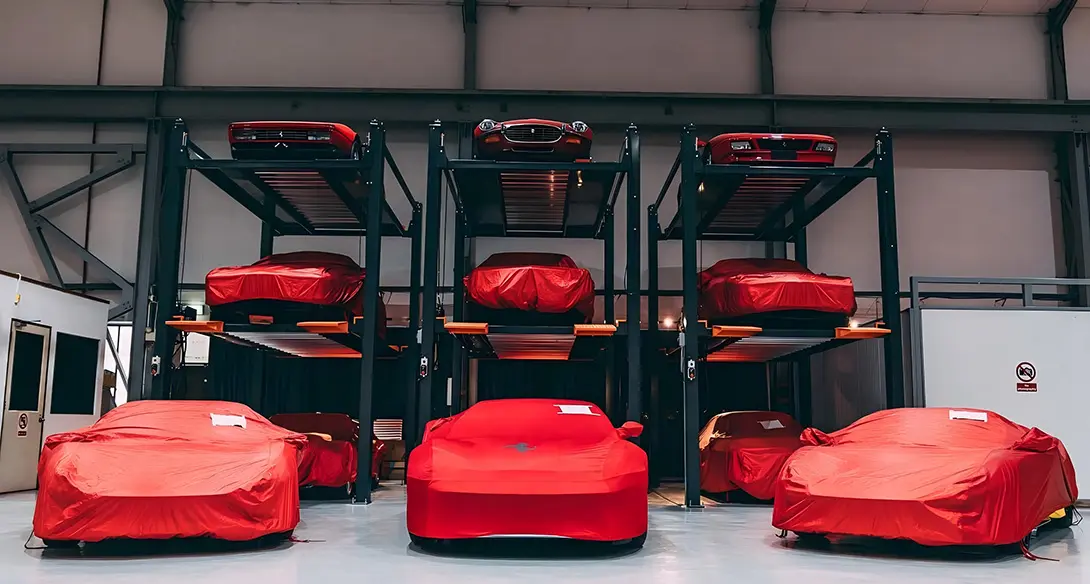
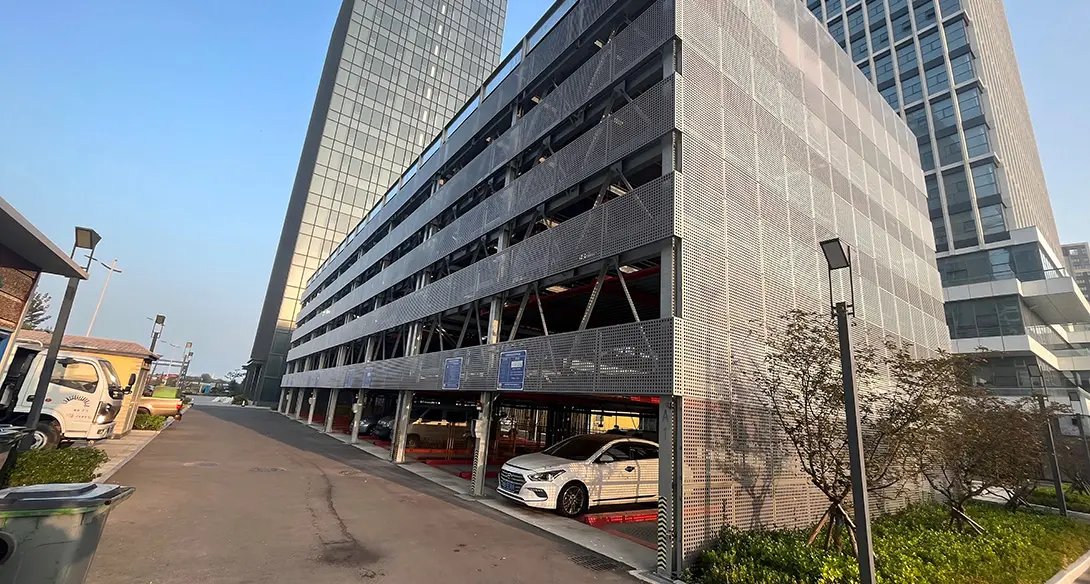
Unlike traditional surface parking layouts or cost-prohibitive underground concrete excavations, vertical car stackers exploit unused vertical space. In a standard four-post design, vehicles are lifted on structurally rigid steel platforms, allowing additional vehicles to be parked directly underneath. By scaling from standard single-level double-car arrangements to sophisticated triple-deck configurations, business owners and property developers can achieve up to a 200% increase in parking capacity within the exact same land footprint.
Engineered in compliance with EN 14010 standards, utilizing redundant safety locks, anti-rupture valves, and structural FEA validation.
Enables double and triple-level vertical configurations, allowing three times the parking capacity without altering the building footprint.
Equipped with high-performance hydraulic cylinders, synchronized wire ropes, and corrosion-resistant components for long lifecycles.
In major logistics hubs, automotive manufacturing hubs, vehicle dealerships, and high-density residential properties, parking real estate is prized. For commercial entities, parking constraints directly translate to lost revenue and limited development velocity. Consequently, global markets in North America, Europe, Australia, and parts of Asia are adopting modular vertical stacker lifts to optimize operation space.
Furthermore, the global shift towards Electric Vehicles (EVs) has altered the vertical parking landscape. Modern multi-level four-post parking lifts are now regularly integrated with customized EV charging stations, demanding specialized power management systems and thermal safety protocols. As municipalities implement strict zoning regulations regarding green buildings and minimum parking spots per square meter, integrating certified four-post mechanical stackers has shifted from a luxury retrofitting choice to a foundational requirement for architectural planners.
The production of high-capacity parking machinery requires deep raw material access, precision manufacturing, and tight quality control. Chinese manufacturing centers have transitioned to Industry 4.0 systems, combining cost efficiency with engineering consistency.
This highly resilient supply chain allows factories to custom-tailor equipment widths, platform heights, and voltage configurations to meet localized country requirements, offering quick turnaround times that traditional Western manufacturers struggle to match.
A high-quality four-post stacker operates on a mechanical-hydraulic hybrid drive system. High-tensile steel posts house mechanical locking ladders that automatically lock the platform at pre-determined heights. Dual or single hydraulic cylinders, coupled with high-strength synchronization wire cables or leaf chains, raise the load-carrying platform smoothly.
Every single load platform undergoes finite element analysis (FEA) to simulate wind loads, dynamic vehicular motion, and maximum static capacity. Under CE Machinery Directive 2006/42/EC, lifts must support 150% static load test conditions and 110% dynamic load test conditions without permanent deformation of the structural frame.
The incorporation of anti-fall mechanical lock blocks, photoelectric sensors to detect vehicle presence, overhead limit switches, and manual emergency release levers ensures that in the event of an unexpected power outage or hydraulic line pressure drop, the platform remains locked in place, preventing vehicle damage or operator injury.
The practical deployment of four-post parking stackers varies across physical environments. Standard configurations include:
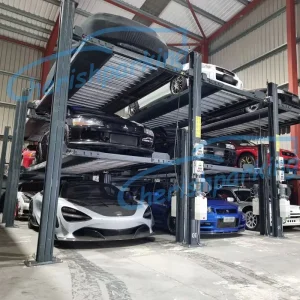
Auto dealerships often handle hundreds of vehicles on tight commercial plots. Utilizing triple-level four-post stackers, they can expand display yards upward. This setup allows them to organize inventory by model, store premium vehicles on higher tiers for safety, and preserve valuable ground-level space for customer interactions and test drives.
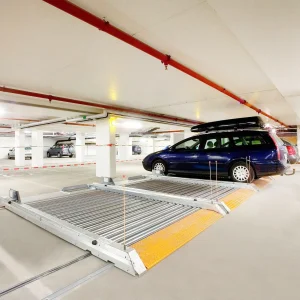
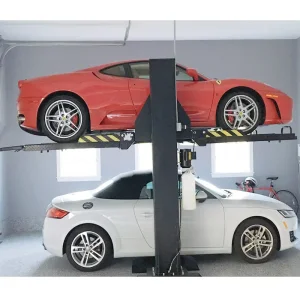
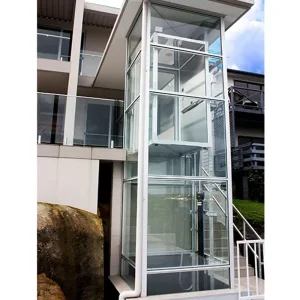
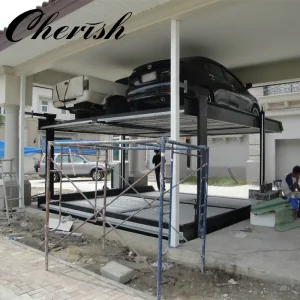
In residential zones, ceiling clearances are often minimal, prompting customized double-deck tilting parking platforms or specialized low-ceiling hydraulic vertical lifts. For villas with private collections, four-post stackers double as storage lifts and maintenance lifts, blending storage capacity with access.
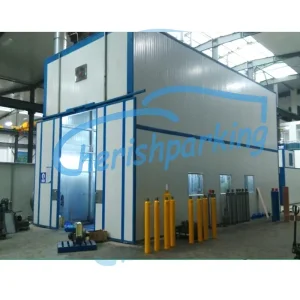
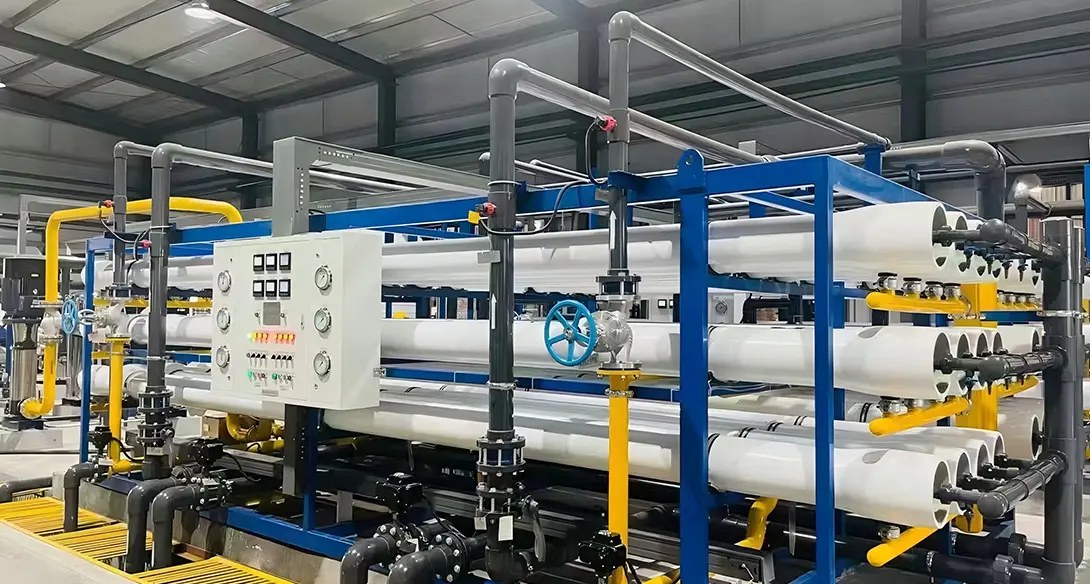
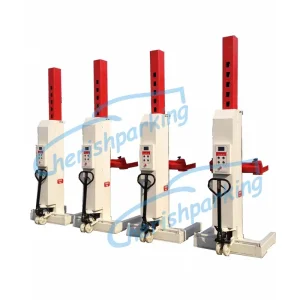
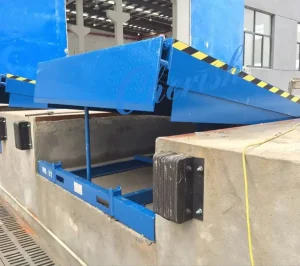
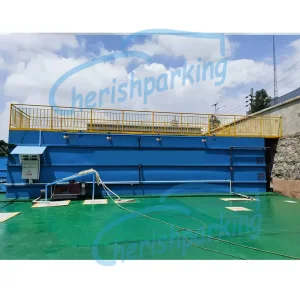
Logistics facilities utilize wireless mobile column truck lifts and heavy-duty mechanical loading platform tables to handle larger freight assets. Integrating these with MBR wastewater treatment units ensures compliant vehicle wash bays and workshop run-off management, creating a self-sustaining industrial maintenance environment.
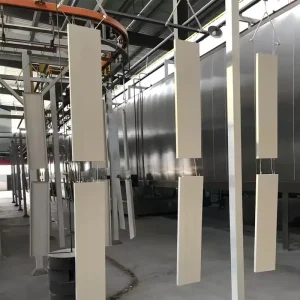
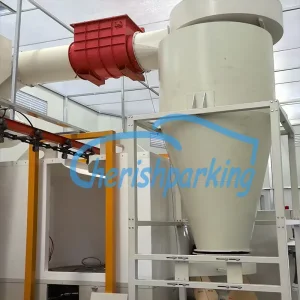
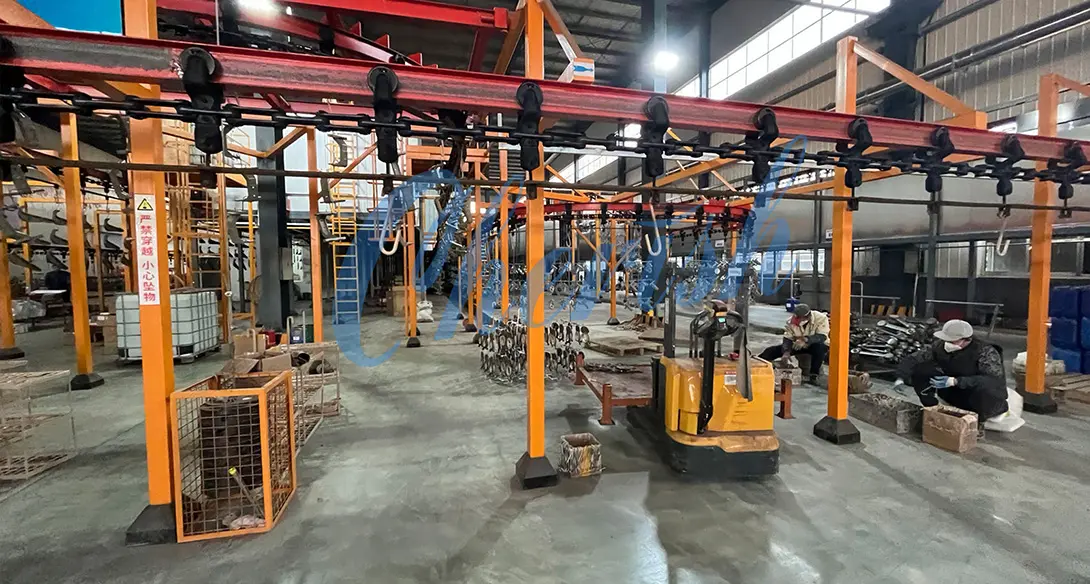
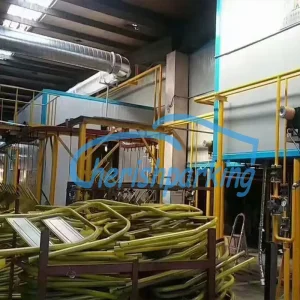
Cherish, a leading enterprise dedicated to providing high-quality equipment and solutions to global customers, has journeyed through 15 years since its inception. We have always adhered to the core values of "integrity, innovation, quality, and service," focusing on the research, development, manufacturing, and sales of car parking equipment, wastewater treatment equipment, and fully automatic spray coating equipment, aiming to create greater value for our customers.
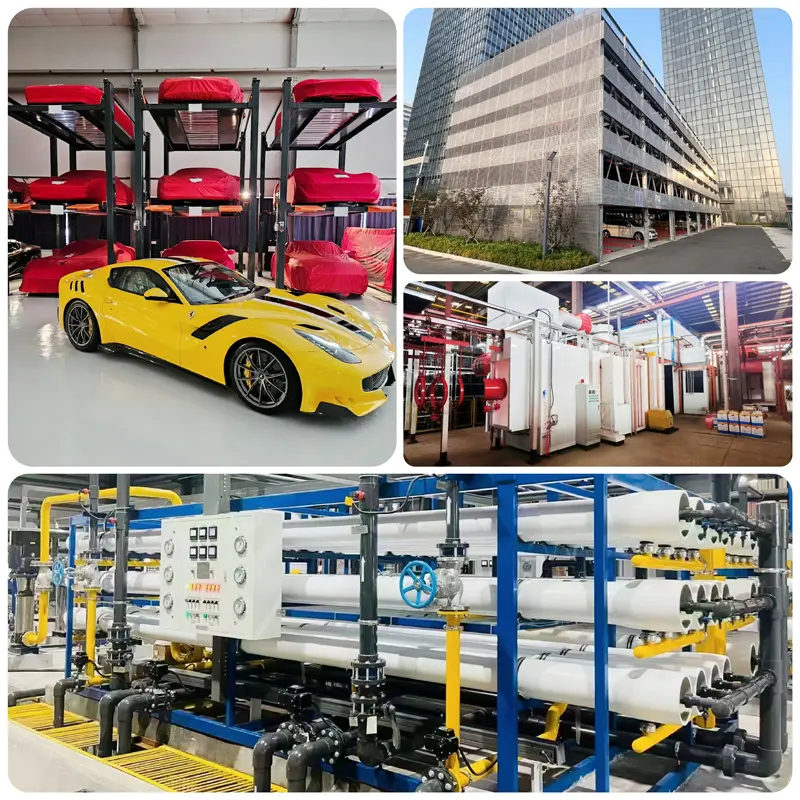
All manufacturing processes are governed by the ISO9001 Quality Management System, securing CE and TUV compliance for diverse installation landscapes.
Realized deployment examples of our mechanical structural lines and environmental equipment worldwide.
Cherish Quality Foundation: Strictly controlling every step from raw material procurement to precision assembly ensures international quality standards. The following active project environments highlight our machinery capabilities:
Expanding production capacity with heavy-duty lifting hardware and specialized industrial production systems.