 Cherish
Cherish
Cherish
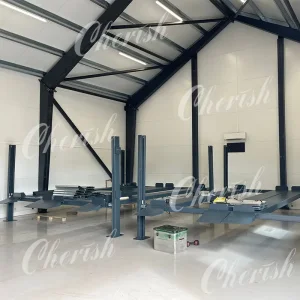
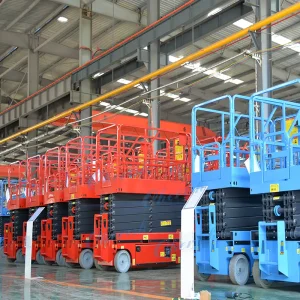
Explore our engineered range of high-capacity scissor mechanisms, self-propelled electric platforms, and multi-level structural car stackers designed for heavy industrial use.
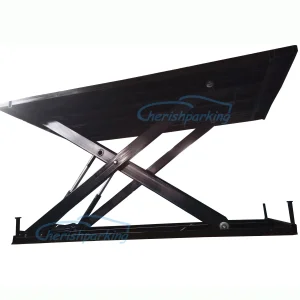
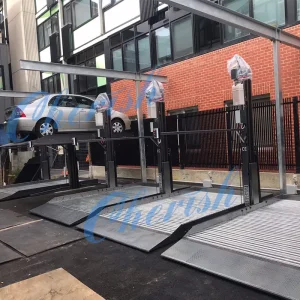
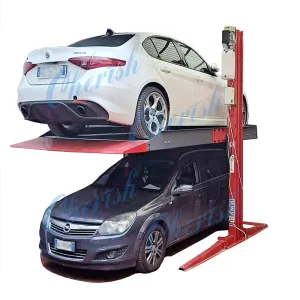
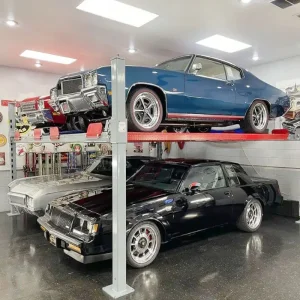
Cherish, a leading enterprise dedicated to providing high-quality equipment and solutions to global customers, has journeyed through 15 years since its inception. We have always adhered to the core values of "integrity, innovation, quality, and service," focusing on the research, development, manufacturing, and sales of car parking equipment, wastewater treatment equipment, and fully automatic spray coating equipment, aiming to create greater value for our customers.
Quality as the Foundation, Service as the Priority: Cherish has always upheld the principle of "quality as the foundation," strictly controlling every step from raw material procurement to production to ensure that product quality meets international leading standards. We have obtained multiple international certifications, including ISO9001 Quality Management System Certification and CE Certification, and our products are exported to many countries and regions worldwide.
We understand that excellent service is the cornerstone of business growth. Cherish has established a comprehensive pre-sales, in-sales, and after-sales service system, providing customers with full technical support and service guarantees. Our experienced service team is available 24/7 to respond to customer needs, ensuring a worry-free experience for our clients.
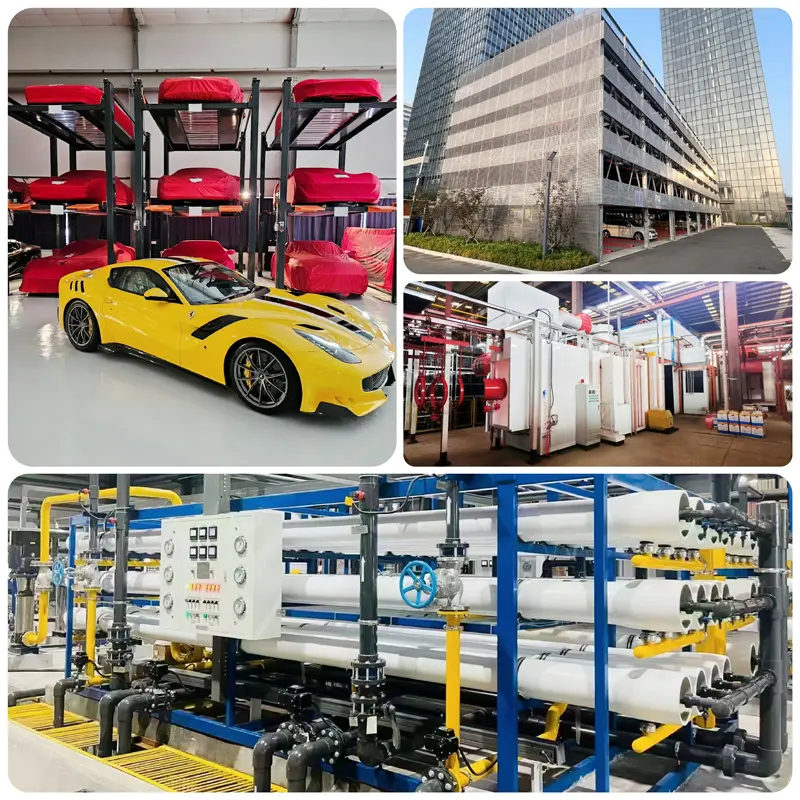
Our heavy-duty hydraulic lifting platforms and automated systems serve critical infrastructure, automotive manufacturing, and eco-friendly municipal systems globally.

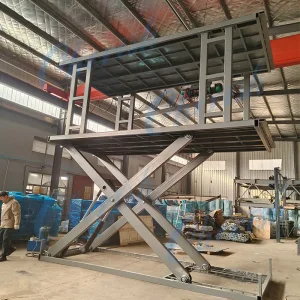
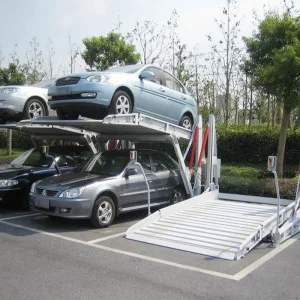
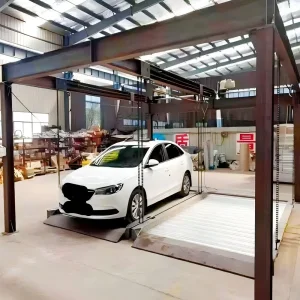
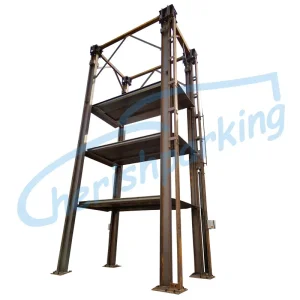
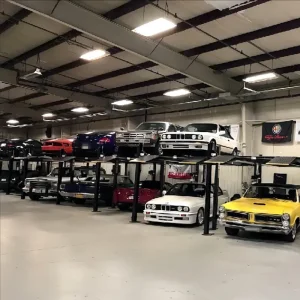
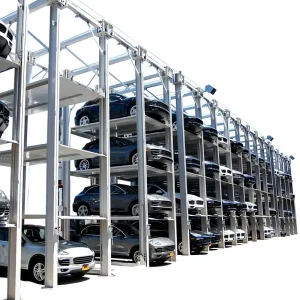
High-density vertical space multipliers utilizing electro-hydraulic synchronization mechanisms.
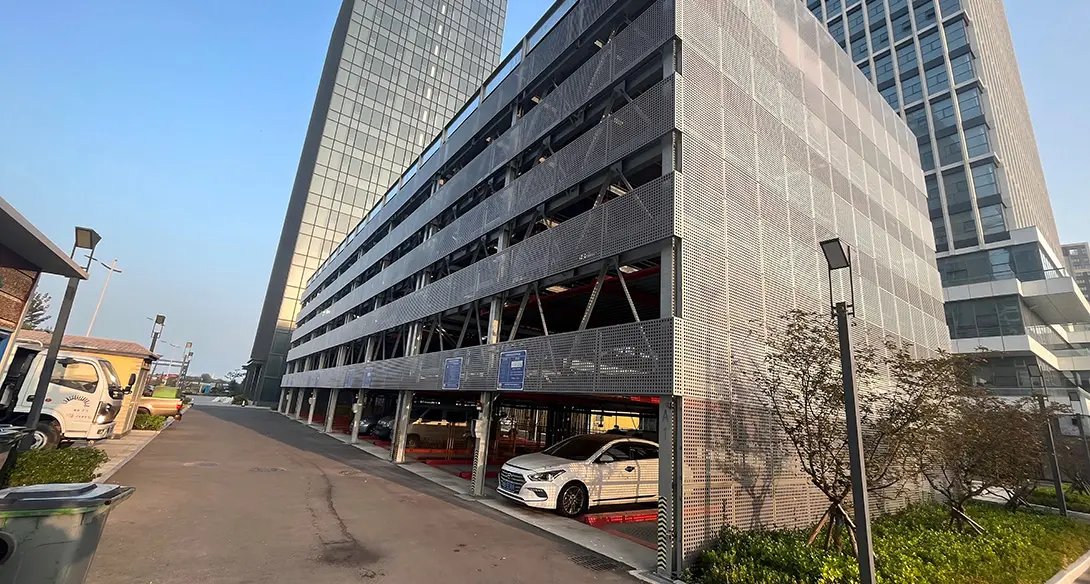
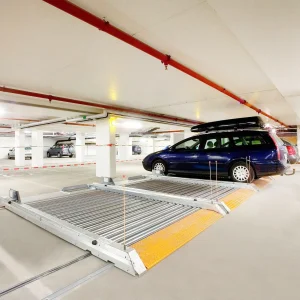
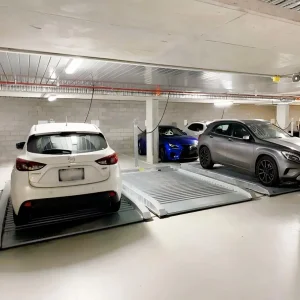
Microprocessor-controlled transverse sliding and lifting systems for urban spatial efficiency.
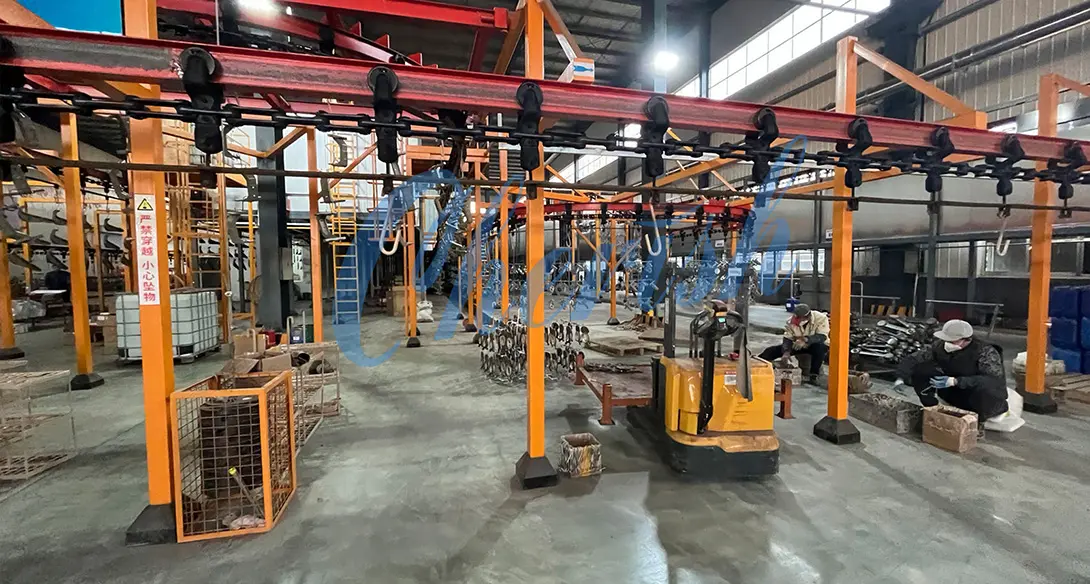
Heavy engineering surface treatment solutions maximizing structural corrosion resistance.
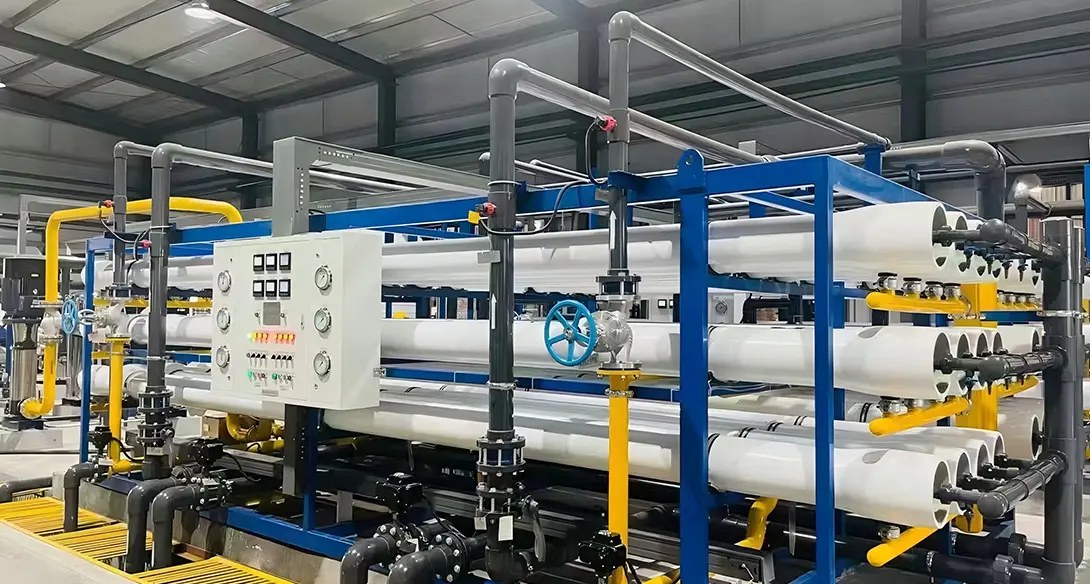
Integrated wastewater treatment setups optimizing municipal and industrial water cycles.
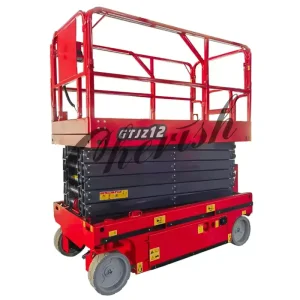
An in-depth structural analysis of hydraulic vehicle scissor lifts, outlining design parameters, metal structural fatigue limits, and load synchronization algorithms.
The transition from Internal Combustion Engine (ICE) vehicles to Electric Vehicles (EVs) has drastically altered mechanical load profiles. With battery packs positioning the vehicle's center of gravity centrally and adding up to 35% more deadweight, traditional lift arms suffer from asymmetric deflection stresses. Modern hydraulic scissor lifts are engineered using high-tensile S355 structural steel, integrating heavier cross-sectional structural tubing to resist twisting moments.
Uneven load distribution during vehicle mounting poses severe tipping hazards. To maintain absolute coplanarity of the lift runways within ±2mm, advanced systems utilize electro-hydraulic proportional control valves and linear displacement transducers. By continuously measuring cylinder travel, the PLC modulates the volumetric flow rate to each cylinder dynamically, replacing archaic mechanical torsion bars with digital synchronization.
Under the rigorous European standard EN 1493 and North American ALI ALCTV guidelines, mechanical safety locks must engage automatically as the lift rises. Pneumatic or electromagnetic lock releases are paired with hydraulic velocity fuses directly threaded into the cylinder ports. In the event of a sudden hydraulic hose rupture, the velocity fuses choke the backflow instantly, locking the platform in place.
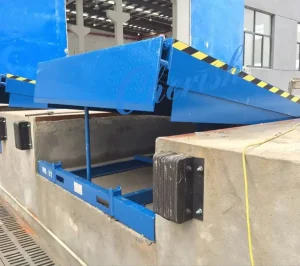
As industrial land prices in tier-1 metropolitan hubs continue to spike, global procurement entities are shifting focus from horizontal warehousing layouts to vertically stacked operations. Heavy commercial dock levelers and underground double-car scissor systems represent structural foundations that allow factories and parking lots to bypass horizontal zoning limits, maximizing footprint utility by up to 300%.
How enterprise buyers evaluate heavy equipment manufacturers on structural longevity, duty cycles, and return on investment.
Commercial procurement processes often fail by solely analyzing static lifting capacity rather than dynamic duty cycle profiles. A lift rated for 5,000 kg might function perfectly under occasional use but fail prematurely if subjected to high-throughput multi-shift logistics environments.
Structural Fatigue Life: High-quality manufacturers run Finite Element Analysis (FEA) simulated over 100,000 cycles at full payload to identify shear stress hot-spots in scissor pivot joints. Hardened chromoly steel pins with self-lubricating composite bronze bushings are utilized at these critical wear points to mitigate frictional wear and avoid structural frame cracking.
IP65 Electrical & Hydraulic Integrity: Outdoor installations demand IP65 rating on all control boxes and valve solenoids. Hydraulic power packs must have custom seals capable of operating across -20°C to +50°C variations without experiencing viscosity loss or oil cavitation.
Innovative technologies on the horizon, detailing the integration of predictive maintenance sensors, eco-efficient regenerative drives, and automated warehouse control systems.
The deployment of smart pressure transducers and acoustic emission sensors on scissor joints will enable lifts to alert maintenance engineers before hydraulic seal failure occurs. By monitoring oil temperature patterns and pressure spikes, the system can compute a real-time health index and dispatch maintenance alerts.
Future heavy-duty cargo lifts will utilize regenerative hydraulic motor-generator sets. During the descent phase, rather than converting potential energy into heat within the hydraulic fluid, the back-flowing oil drives a generator to feed electrical energy back into the facility’s microgrid.
As factories automate, scissor lifts must dock autonomously with Autonomous Guided Vehicles (AGVs) and Autonomous Mobile Robots (AMRs). Integrated LiDAR arrays and laser leveling systems will ensure millimeter-level alignment before allowing AGVs to load or unload high-value payloads.
Navigating the complex landscape of international lifting equipment directives, safety testing protocols, and local installation requirements.
Exporting lifting systems to the EEA requires compliance with Machinery Directive 2006/42/EC and harmonized standard EN 1493 (for vehicle lifts) or EN 280 (for mobile platforms). These regulations govern structural design margins, requiring design documentation that proves safety factors of at least 4:1 for structural steel components, and 5:1 for wire rope or chain transmission systems.
Overload tests under the CE mark must be conducted dynamically at 110% capacity and statically at 150% capacity, proving that no permanent plastic deformation occurs in any structural member.
For operations within the USA and Canada, industrial scissor lifts must comply with the American National Standards Institute (ANSI) and the Automotive Lift Institute (ALI). ALCTV certification is crucial, requiring independent, third-party testing by nationally recognized testing laboratories (NRTL) to guarantee electrical and mechanical compliance.
Compliance also extends to electrical components, demanding control panels to be built under UL 508A standards. Ensuring local fire safety and building code approvals are easily obtained at the municipal level.
Detailed technical queries answered by our chief structural and hydraulic engineering specialists.
Review our full spectrum of specialized configurations, including underground scissor lifts, double car stackers, and multi-level mechanical sliding platforms.