 Cherish
Cherish
Cherish
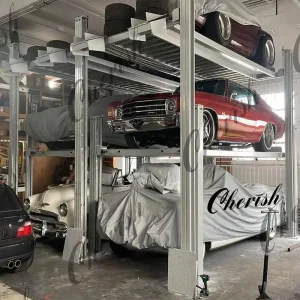
Engineered mechanical systems optimizing footprint density. Highly recommended for multi-vehicle storage, commercial logistics, and space optimization.
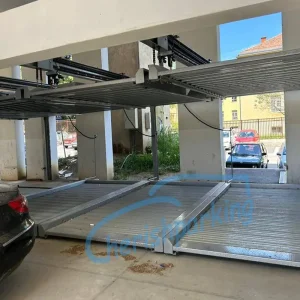
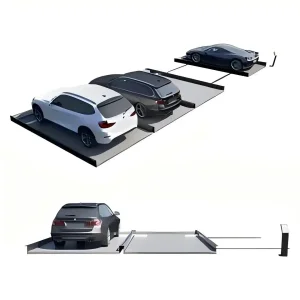
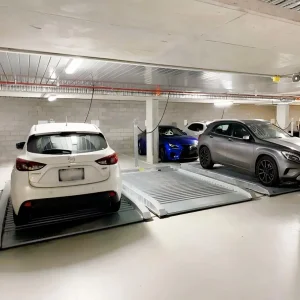
Rapid urban consolidation across Australia’s major capital cities, notably Sydney, Melbourne, and Brisbane, has escalated land values and created significant spatial planning constraints. In residential architecture, commercial logistics hubs, and luxury developments, the requirement for space optimization has transcended traditional multi-level parking garages. Underground car lifts represent the peak of architectural adaptability, providing double and triple parking capacity within the same footprint by utilizing vertical space beneath ground level.
Australian construction environments present unique geological challenges. Projects along the coastal fringes of New South Wales and Queensland frequently contend with high sand concentration and high water tables, requiring structural engineering that incorporates robust waterproofing, corrosion-resistant steel components, and advanced structural calculation models. In contrast, projects in Victoria often require heavy excavation through basalt clay, calling for highly rigid structural designs. Developing parking systems under these varied conditions demands experienced engineering that balances structural integrity with localized installation expertise.
The technological pathway of modern vertical parking systems: balancing structural mechanics, automation, and user interface safety.
Equipped with proportional flow valves and micro-processor displacement feedback loops. This system guarantees leveling accuracy down to ≤3mm, maintaining platform stability even under uneven center-of-gravity loads.
Features PLC systems with integrated HMI touchscreens. This interface enables real-time fault diagnostics, remote system monitoring, automated parking sequence scheduling, and direct integration with smart building ecosystems.
Our systems incorporate heavy-duty mechanical locking hooks, hydraulic burst-valve protection, photoelectric height-limit switches, anti-fall drop-prevention bars, and emergency backup power configurations.
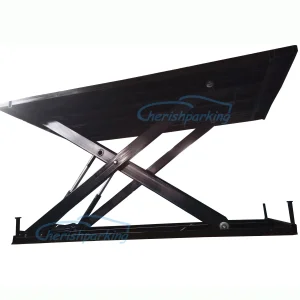
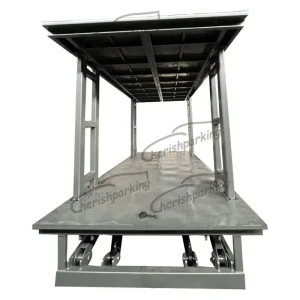
Our engineering roadmap emphasizes adaptation for electric vehicles (EVs). Due to their large battery packs, new EVs present significantly higher weight metrics than traditional internal combustion engine vehicles. To meet this structural challenge, our underground car lifts are designed with heavy-duty structural frames that support load capacities ranging from 3,500kg up to 5,000kg. Every unit undergoes rigorous Finite Element Analysis (FEA) testing to verify long-term resistance against structural deformation and fatigue under cycling loads.
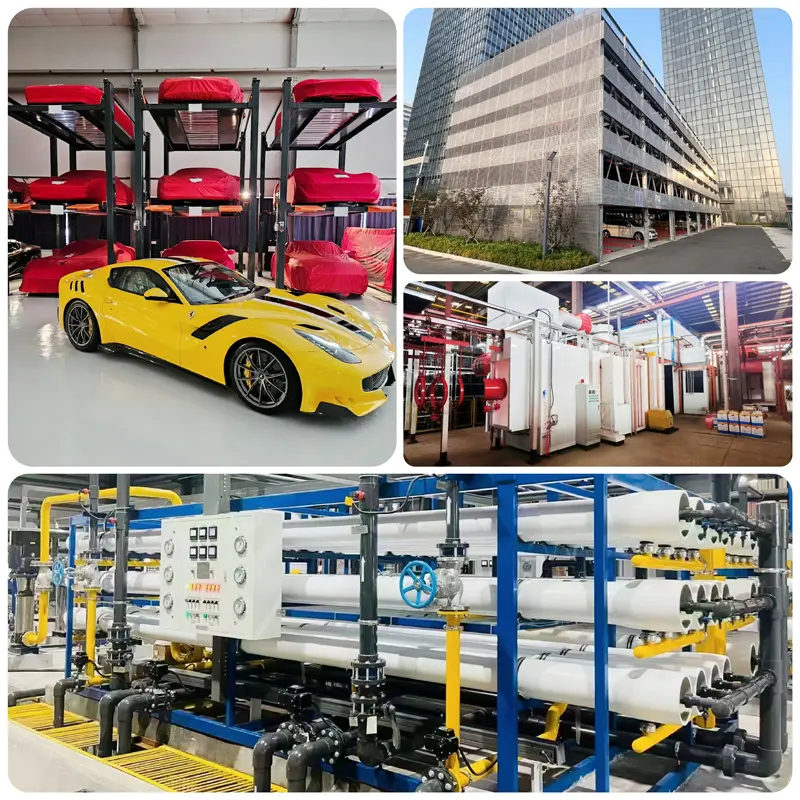
For 15 years, Cherish has operated as a leading supplier of high-end mechanical parking equipment, wastewater treatment machinery, and automatic powder-coating installations. By utilizing advanced manufacturing facilities, we deliver precision engineering at competitive price points. Our operations are anchored by the core values of "integrity, innovation, quality, and service."
Our production facilities utilize automated laser cutting machines, robotic welding systems, and digital control machining centers to maintain tight tolerances and ensure structural consistency. This deep industrial infrastructure allows for customizable platform dimensions, tailored pit depths, and custom weight configurations that meet specific project designs without extending delivery times. By managing the supply chain from raw steel sourcing to surface coating in-house, we help protect clients from pricing volatility and material delays.
Adapting to evolving municipal regulations, sustainable technologies, and integrated facilities engineering.
The global push for green building certifications, such as Australia's Green Star system, has changed how urban planners design car parks. High-capacity underground car lifts help reduce the environmental impact of developments. Moving parking garages below ground allows developers to preserve surface land for permeable landscaping, community gardens, or solar panel installations, which can help mitigate the urban heat island effect.
Furthermore, managing wastewater in modern parking facilities is a key environmental priority. Water runoff in garages can carry petroleum hydrocarbons and heavy metals. By combining parking systems with MBR sewage treatment plants, commercial developers can reclaim, treat, and reuse wastewater on-site for irrigation and maintenance, establishing a closed-loop system that supports sustainable development goals.
In addition to municipal wastewater compliance, industrial manufacturing requires highly durable surface protection. The longevity of underground parking equipment depends on high-quality metal finishings. Underground pits are humid environments that accelerate metal corrosion. To protect structural integrity, all metal frames receive a multi-stage pretreatment and wash cycle before being finished on our automated powder coating production line.
This process applies a thick, uniform coating that offers superior impact and abrasion resistance compared to standard liquid paint, preventing rust and ensuring the mechanical components can withstand years of operation in damp subterranean conditions.
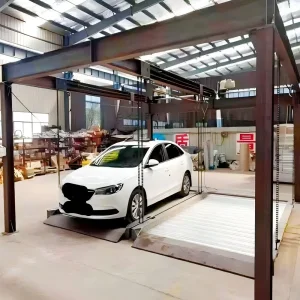
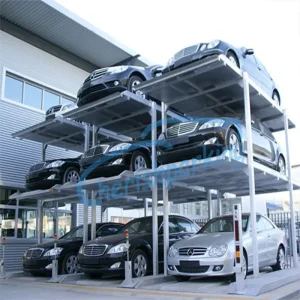
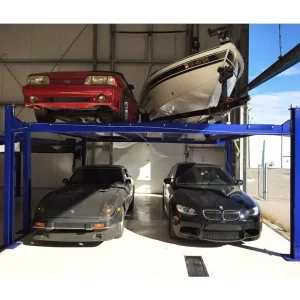
High-density vertical space design utilizing triple-level four-post car parking lifts to maximize space utilization in residential developments.
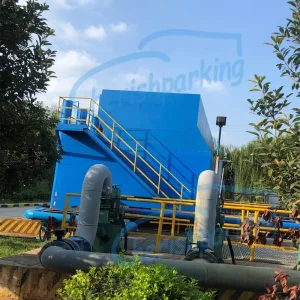
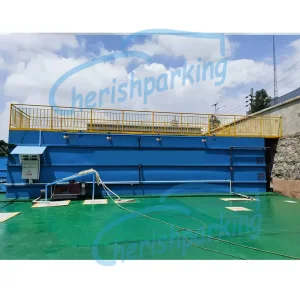
Eco-friendly integrated wastewater treatment plants designed to clean municipal and industrial runoff, protecting local ecosystems.
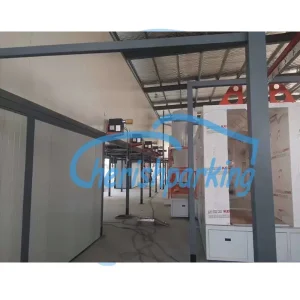
Advanced pre-treatment wash and powder coat systems that provide heavy-duty corrosion protection for structural steel in humid pits.
Navigating the complex landscape of Australian Standards is critical for ensuring the structural integrity, safety, and operational legality of underground lifting installations. Every underground car lift supplied to the Australian market is designed and manufactured in strict compliance with AS/NZS 1418.9 (Vehicle Lifts) and AS/NZS 3000 (Electrical Installations - Wiring Rules). This compliance is essential for securing local council approval, satisfying WorkSafe regulatory requirements, and ensuring the long-term insurability of commercial and residential buildings.
We work closely with local engineering partners and certified installers across Australia to provide complete end-to-end project support. From initial soil analysis and structural pit design to installation, testing, and final safety certification, we guide clients through every step of the process. Additionally, we provide comprehensive technical documentation, detailed electrical diagrams, and custom installation manuals to ensure smooth onsite coordination with project builders and electrical contractors.

Providing clear, technical answers to common questions raised by architects, developers, structural engineers, and private clients.
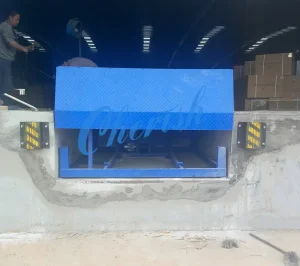
High-capacity vertical platform elevators, dock levelers, sewage treatment plants, and finishing equipment for industrial and commercial projects.