 Cherish
Cherish
Cherish
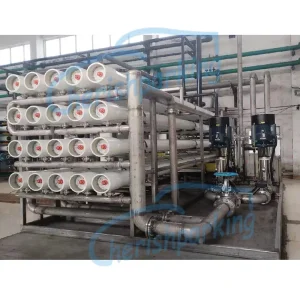
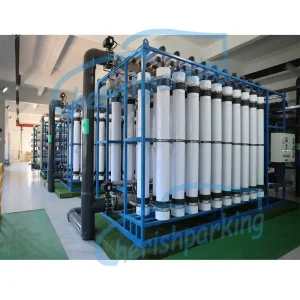
The Republic of Kiribati, situated in the central Pacific Ocean, comprises 32 low-lying coral atolls and one raised limestone island. Due to its unique hydrogeological structure, Kiribati faces some of the most critical freshwater and waste sanitation challenges globally. The primary sources of freshwater are thin, fragile subterranean freshwater lenses floating above denser seawater, which are highly susceptible to fecal contamination, agricultural runoffs, and saltwater intrusion caused by rising sea levels. Traditional septic tanks and open pit latrines pose direct threats to public health, contaminating the very water lenses that communities rely on.
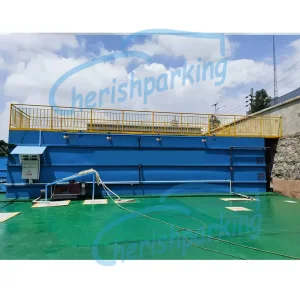
To mitigate these compounding factors, decentralized Sewage Treatment Plants and specialized biological treatment units have transitionally shifted from being optional improvements to absolute infrastructural necessities. Industrial operations, municipal hubs in South Tarawa, eco-resorts, and localized community districts require robust, corrosion-resistant, and high-efficiency water recycling systems. Implementing state-of-the-art Membrane Bioreactor (MBR) technology allows Kiribati to safeguard its marine biodiversity, eliminate groundwater pathogens, and produce reclaimed water suitable for agricultural irrigation, thus lowering the dependencies on erratic rainfall.
Treating municipal and domestic wastewater at the source prevents pathogens from penetrating the shallow water table, breaking the cycle of waterborne diseases in densely populated atolls.
Closed-loop, containerized sewage and desalination plants withstand tropical storm surges and high salinity, securing water supplies against climatic disruptions.
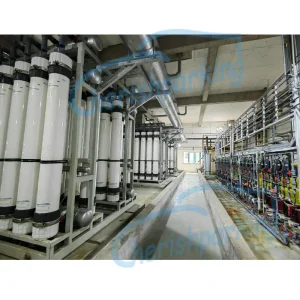
Reclaiming wastewater through Ultrafiltration (UF) and MBR permits reuse in agriculture, construction, and cooling systems, preserving pristine drinking water resources.
Standard biological treatment methods often fail in atoll environments due to space constraints, high ambient heat, and salty coastal winds. Our engineering paradigm emphasizes highly integrated systems with customized technical specifications to address these exact marine variables.
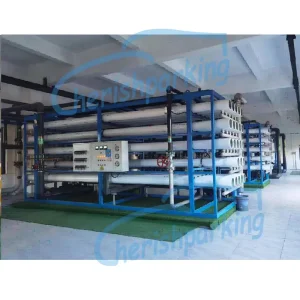
By combining biological degradation with membrane filtration (typically hollow-fiber or flat-sheet membranes with pore sizes down to 0.04 microns), MBR systems eliminate the need for secondary sedimentation tanks. This saves up to 60% of physical footprint while achieving exceptional suspended solid removal efficiency (TSS < 5 mg/L) and complete removal of coliform bacteria.
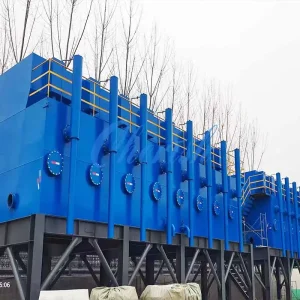
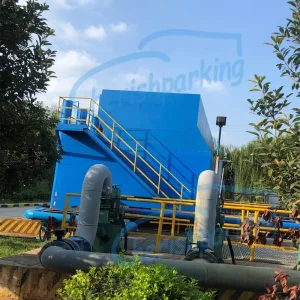
Anti-Corrosion Architecture: All structures are finished with dual-layer marine epoxy coatings or manufactured from premium Fiber Reinforced Plastic (FRP) and hot-dip galvanized steel to endure the harsh saline ocean air of Kiribati.
As a premier wastewater and smart machinery production partner with a legacy spanning 15 years, our Chinese manufacturing plant coordinates robust raw material sourcing, automated CNC production, and stringent quality control. This allows us to supply high-end, bespoke engineering systems to remote regions like Kiribati without logistics bottlenecks.
We optimize structural steel designs, high-pressure pumps, control valves, and electrical component arrays to withstand voltage fluctuations commonly experienced in island grids. Our containerized wastewater modules undergo comprehensive hydrostatic and electrical load testing at the factory before shipping, facilitating immediate plug-and-play assembly once they land at Tarawa ports.
Operating water sanitation equipment in remote environments requires dependable post-sales assistance, remote diagnostics, and easy maintenance access. Our systems feature integrated PLC modules with cloud monitoring options, allowing operators to monitor dissolved oxygen (DO), flow rates, and membrane flux in real-time.
Our equipment aligns with internationally recognized standards, including CE certifications and ISO 9001 Quality Management protocols. For clients in Kiribati, we offer comprehensive localized guides, interactive operation handbooks, and structural engineering layouts designed to comply with local environmental protection regulations and coastal conservation guidelines.