 Cherish
Cherish
Cherish
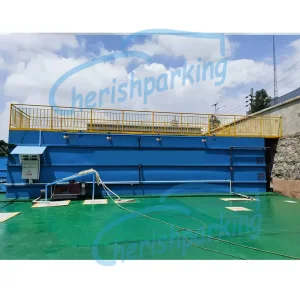
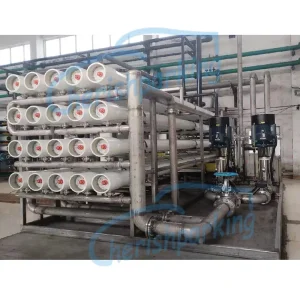
The Governorate of Muharraq, Bahrain's historic gateway and rapidly expanding financial and residential zone (hosting mega projects like Diyar Al Muharraq and Amwaj Islands), is experiencing unprecedented infrastructure demands. As a coastal territory with a hyper-arid climate, the conservation of fresh water and the efficient reclamation of wastewater are not merely ecological ideals; they are critical economic imperatives. This whitepaper analyzes the deployability of advanced Sewage Treatment Plants (STP), highlighting MBR (Membrane Bioreactor) and Reverse Osmosis (RO) systems customized to Muharraq's unique marine salinity, ground temperature shifts, and localized industrial developments.
The municipal and industrial sectors in Muharraq face dual pressures: shallow groundwater tables with high saline intrusion, and stringent discharge thresholds regulated by Bahrain's Supreme Council for Environment (SCE). Traditional wastewater processes are insufficient due to limited land space and the inability to handle highly fluctuant salinity and chemical loads. Consequently, decentralized, modular, and containerized STP models have gained significant traction. By treating wastewater at the source, commercial developments, construction encampments, and industrial parks reduce load on municipal trunk sewers while securing high-purity non-potable water for district cooling, irrigation, and process reuse.
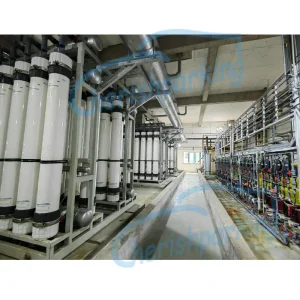
For municipal layouts and commercial setups in Muharraq, MBR technology represents the gold standard. By replacing gravity-settling clarifiers with physical membrane barriers (microfiltration or ultrafiltration), MBR plants operate at significantly higher Mixed Liquor Suspended Solids (MLSS) concentrations (8,000 to 12,000 mg/L). This results in:
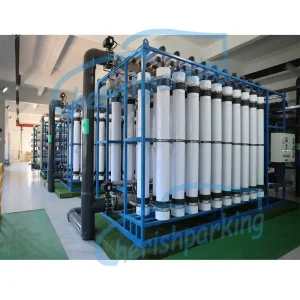
Given Muharraq’s island geography, brackish water and seawater desalination remain essential. Utilizing energy recovery devices (ERD) and high-rejection thin-film composite membranes, contemporary RO plants minimize operational costs while treating seawater to potable standards. The integration of advanced pretreatment systems—such as ultrafiltration—is critical to protect RO membranes from organic fouling and algal blooms typical of the Arabian Gulf.
Fully automated systems featuring Siemens or Allen-Bradley PLCs with cloud telemetry for remote performance tracking in extreme ambient heat.
Custom configurations designed to achieve near-ZLD, ensuring maximum water loop recycling for industrial users.
Standard options with duplex stainless steel (SS3207/904L) and fiber-reinforced plastic (FRP) to withstand aggressive marine atmospheres.
As sourcing shifts toward high-reliability and cost-competitive options, Chinese factories have emerged as dominant global suppliers of environmental equipment. The advantages go beyond economies of scale:
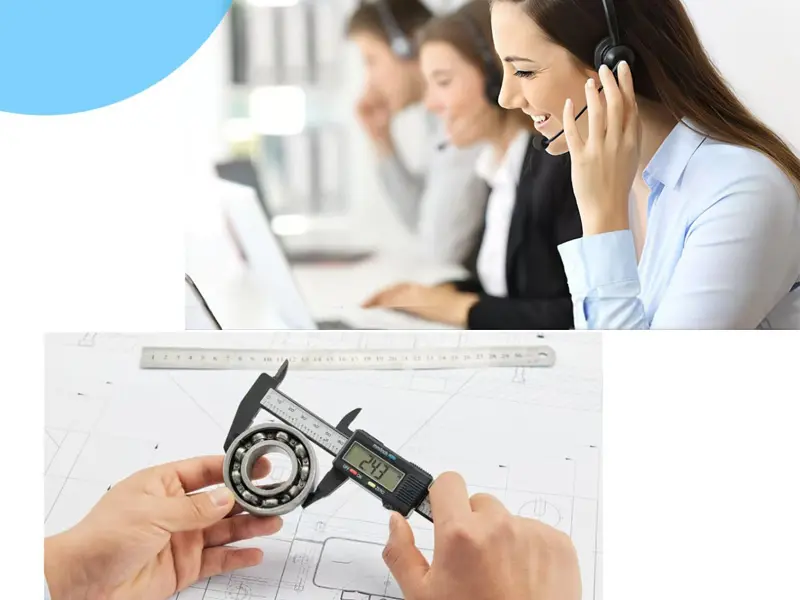
Cherish, a leading enterprise dedicated to providing high-quality equipment and solutions to global customers, has journeyed through 15 years since its inception. We have always adhered to the core values of "integrity, innovation, quality, and service," focusing on the research, development, manufacturing, and sales of car parking equipment, wastewater treatment equipment, and fully automatic spray coating equipment, aiming to create greater value for our customers.
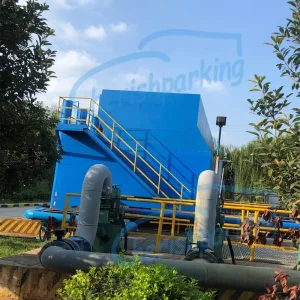
Wastewater Treatment Equipment: We are committed to providing efficient and energy-saving wastewater treatment solutions for industrial and municipal sectors, including integrated wastewater treatment systems, MBR membrane bioreactors, and sludge dewatering equipment, contributing to environmental protection.
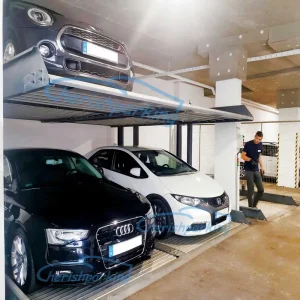
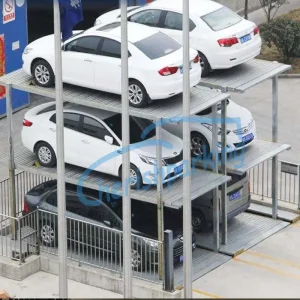
Car Parking Equipment: We offer a variety of parking solutions, including mechanical parking systems and intelligent parking systems, catering to different parking scenarios. Our products are renowned for their safety, reliability, user-friendly operation, and space-saving features, effectively alleviating urban parking challenges.
Fully Automatic Spray Coating Equipment: We supply automated spray coating production lines and powder recovery systems, widely used in industries such as automotive, home appliances, building materials, and mechanical equipment, offering customers efficient and eco-friendly metal surface treatment solutions.
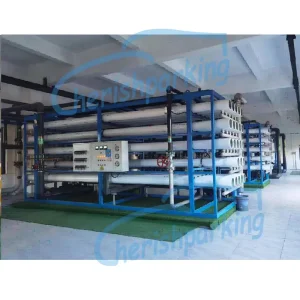
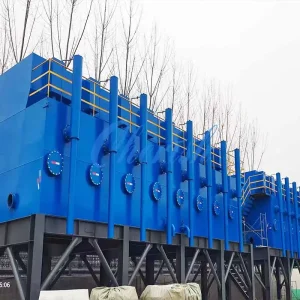
When engineering firms design modern infrastructure projects for the Arabian Gulf region, purchasing parameters must account for multi-variable lifetime costs rather than simple upfront capital investment. Global procurement departments look for key factors to ensure longevity and minimal maintenance intervals:
In high-temperature zones like Muharraq, energy costs represent a significant portion of the lifetime operating budget of a Sewage Treatment Plant. System designs must integrate high-efficiency blowers, variable frequency drives (VFDs) for aeration control, and premium low-energy membrane designs (such as PVDF flat-sheet membranes) to reduce total energy demand by up to 25%.
Groundwater intrusion in coastal districts can spike feed salinity to levels exceeding 5,000 mg/L TDS, even in domestic sewage networks. The choice of raw manufacturing materials dictates whether a system survives five years or twenty. Specifications must dictate high-grade SS316L, duplex steels, or heavy epoxy coatings for all wet-contact parts, coupled with heavy UV protection on external control components.
A key focus for modern procurement is minimal dependency on manual operators. Advanced control modules equipped with dissolved oxygen (DO) sensors, mixed liquor monitors, and automated chemical dosing stations ensure that biological processes adapt to daily inlet spikes without manual readjustment.